
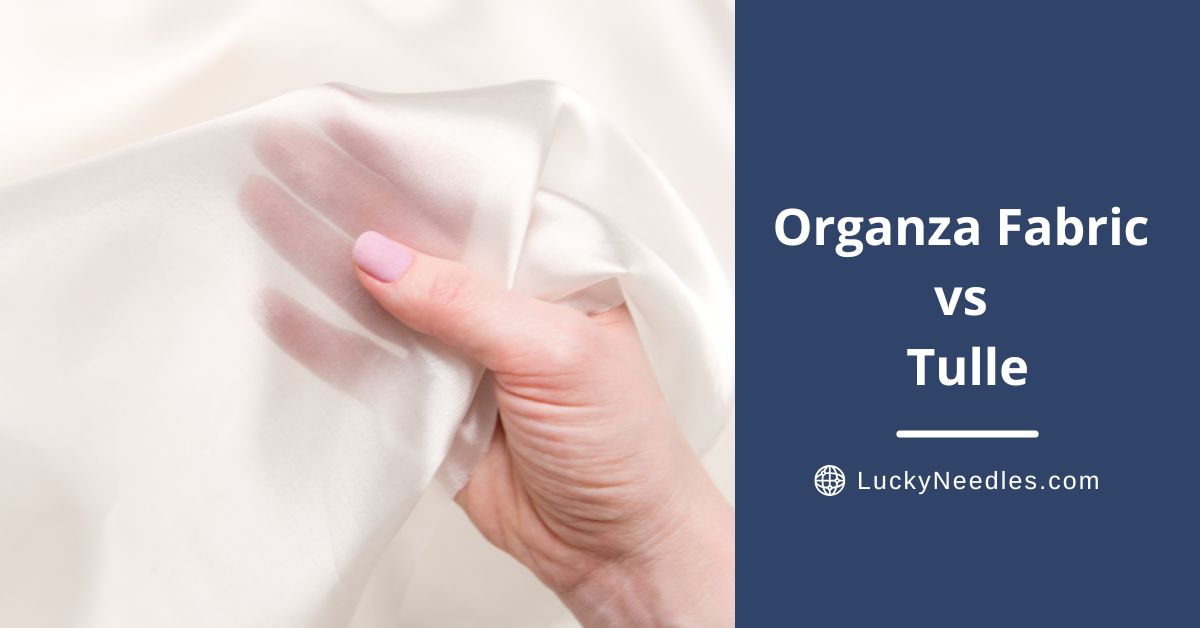
Have you ever wondered about the differences between organza and tulle? These two sheer fabrics may look similar, but they have unique qualities that set them apart. Let’s dive into the world of organza and tulle to help you choose the perfect fabric for your next project!
Key Takeaways:
- Texture: Tulle is soft and flowing, while organza is stiff and structured
- Appearance: Tulle has a sheer, ethereal look; organza is smooth and shiny
- Weight: Tulle (15-30 g/m2) is lighter than organza (20-50 g/m2)
- Uses: Tulle is great for layers and volume; organza adds structure and elegance
- Cost: Tulle is more budget-friendly, while organza is pricier but luxurious
What Are the Key Differences Between Organza and Tulle?
When it comes to sheer fabrics, organza and tulle are two popular choices. But what sets them apart? Let’s break down their unique characteristics:
Texture and Feel
Imagine running your fingers through a cloud – that’s what tulle feels like! cloud It’s soft, airy, and flows beautifully. On the other hand, organza has a crisp, structured feel. It’s like touching a smooth, stiff piece of paper.
Appearance and Transparency
Tulle is known for its dreamy, ethereal look. It’s very sheer, with tiny holes that give it a net-like appearance. Organza, while still transparent, has a smoother surface and a subtle shine that catches the light. ✨
Weight and Drape
Did you know that tulle is lighter than a feather? Well, almost! It weighs just 15-30 g/m2, making it perfect for creating voluminous designs. Organza is a bit heavier at 20-50 g/m2, which gives it more structure and a crisper drape.
Durability and Maintenance
While both fabrics are delicate, organza is generally more durable than tulle. Tulle can snag easily, so it needs gentle handling. Organza, on the other hand, is less prone to tearing but requires more care when it comes to ironing and storage.
Cost Comparison
If you’re on a budget, tulle might be your best friend! It’s usually more affordable than organza, making it great for DIY projects or when you need a lot of fabric. Organza tends to be pricier, but its luxurious look can be worth the extra cost for special occasions.
Understanding Tulle Fabric
Tulle is like the fairy godmother of fabrics – it can transform any design into something magical! 🧚♀️
Composition and Manufacturing
Tulle is typically made from nylon, polyester, or silk. It’s woven in a special way that creates tiny, hexagonal holes, giving it that signature net-like appearance.
Characteristics of Tulle
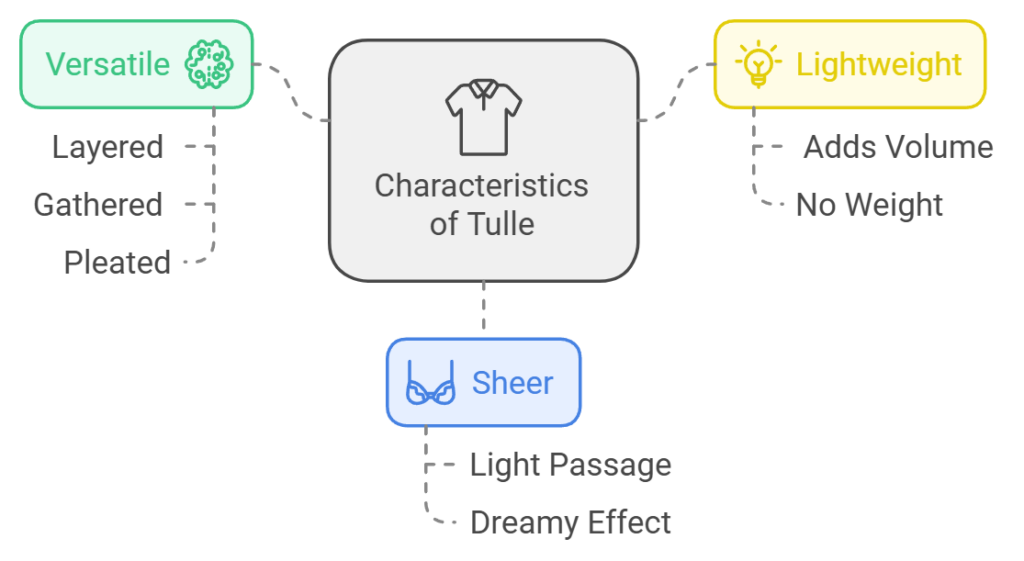
- Lightweight: Perfect for adding volume without weight
- Versatile: Can be layered, gathered, or pleated easily
- Sheer: Allows light to pass through, creating a dreamy effect
Advantages of Using Tulle
- Creates volume and fullness in skirts and dresses
- Ideal for veils, overlays, and decorative accents
- Easy to work with and manipulate into different shapes
Understanding Organza Fabric
Organza is like the sophisticated cousin of tulle – it brings elegance and structure to any design.
Traditional and Modern Compositions
Traditionally, organza was made from silk. Today, you can find organza made from polyester or nylon, which are more affordable options. But silk organza still reigns supreme for luxury projects!
Unique Properties of Organza
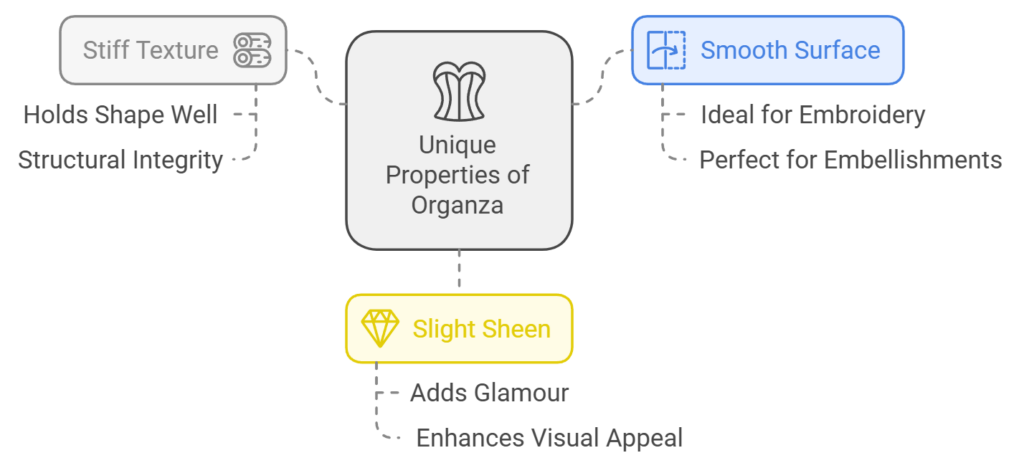
- Stiff texture: Holds its shape well
- Smooth surface: Perfect for embroidery and embellishments
- Slight sheen: Adds a touch of glamour to designs
Benefits of Choosing Organza
- Provides structure and support to garments
- Creates a polished, high-end look
- Versatile enough for both fashion and home decor projects
Applications in Fashion
Both tulle and organza have found their place in the fashion world. Let’s see how designers use these fabrics to create stunning looks!
Tulle in Fashion Design
Tulle is the star of many dreamy designs. Here’s where you’ll often see it:
Bridal and Evening Wear
Imagine a bride floating down the aisle in a cloud of tulle – it’s a classic look! Tulle is perfect for creating voluminous skirts, delicate veils, and romantic overlays on wedding gowns. In evening wear, it adds drama and movement to ball gowns and cocktail dresses.
If you’re sewing a tulle skirt or veil, hemming tulle can help keep the edges neat.
Layering and Volume Creation
Designers love tulle for its ability to create layers and volume. It’s often used in ballet tutus, prom dresses, and even everyday skirts to add a playful, flouncy effect.
Accessories and Embellishments
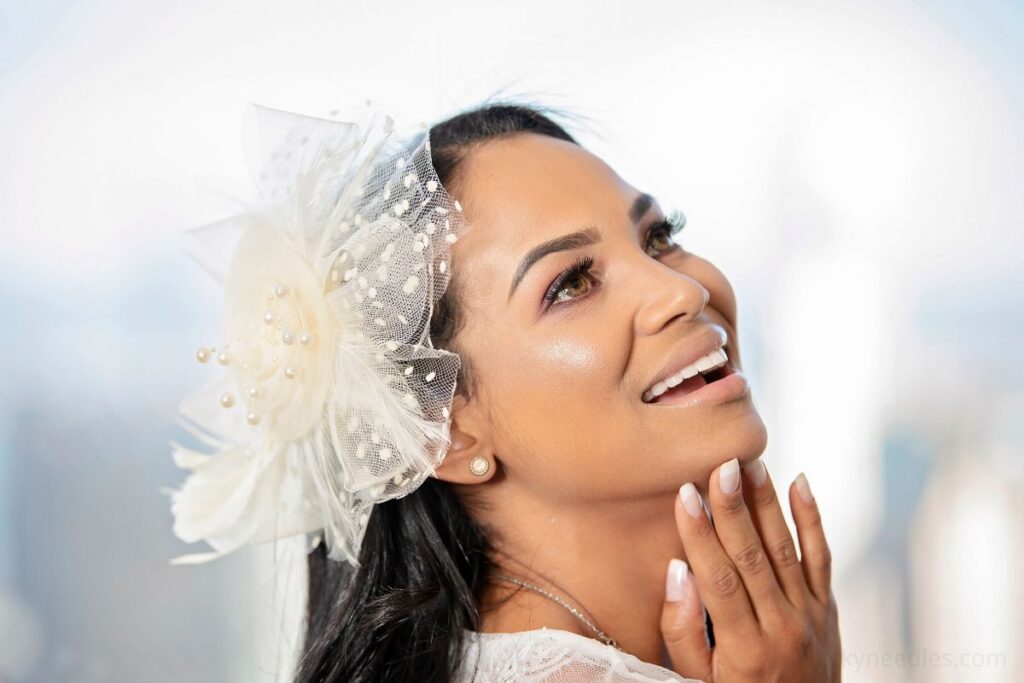
Tulle isn’t just for dresses! You’ll find it in hair accessories, like bows and fascinators, as well as in decorative elements on shoes and bags.
Organza in Fashion Design
Organza brings a touch of sophistication to fashion designs. Here’s how it’s commonly used:
Structured Garments and Formal Wear
The stiff nature of organza makes it perfect for creating structured silhouettes. It’s often used in formal wear, like evening gowns and cocktail dresses, to add shape and volume without the weight.
Adding Sophistication to Designs
Organza’s smooth, shiny surface adds a luxurious touch to any garment. It’s great for creating elegant sleeves, collars, and overlays that catch the light beautifully.
Embroidery and Decorative Elements
The smooth surface of organza makes it an ideal canvas for embroidery and beadwork. Designers often use it to create intricate, see-through panels on dresses and tops.
Applications in Home Decor
Who says tulle and organza are just for fashion? These fabrics can add a touch of elegance to your home too!
Tulle in Interior Design
Tulle can bring a whimsical, romantic vibe to your living spaces. Here are some fun ways to use it:
DIY Projects and Centerpieces
Get creative with tulle! You can make pretty centerpieces by draping tulle over vases or creating pom-poms for party decorations. It’s an affordable way to add a festive touch to any room.
Window Treatments and Room Decorations
Tulle curtains can soften the light in a room and create a dreamy atmosphere. You can also use it to make canopy beds or drape it over furniture for a romantic look.
Organza in Home Decor
Organza adds a touch of sophistication to home decor. Here’s how you can use it:
Elegant Curtains and Draperies
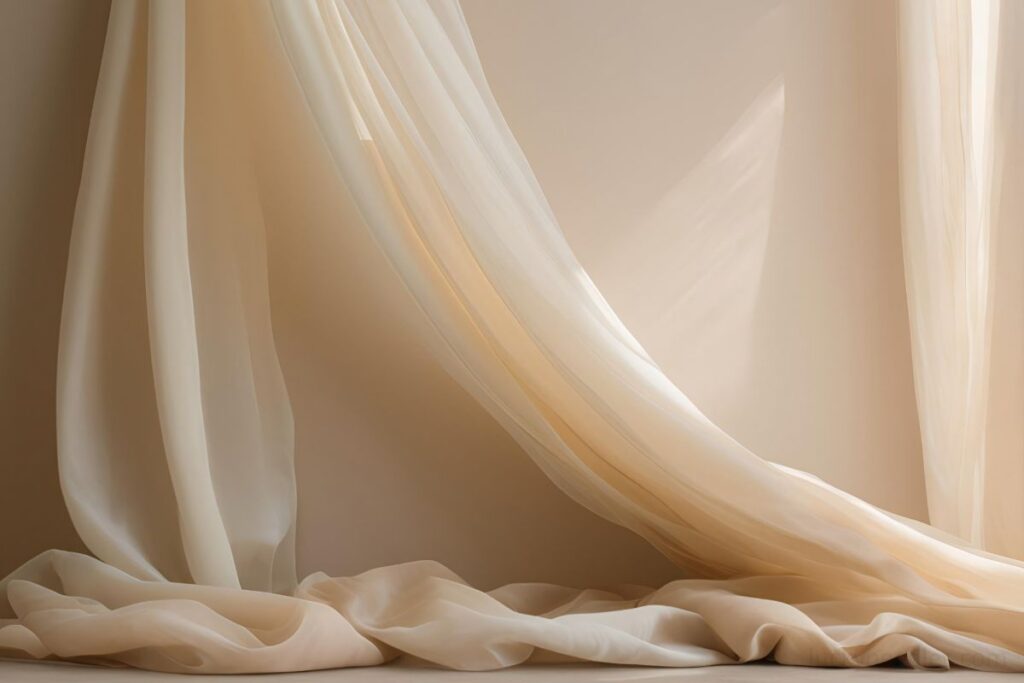
Organza curtains can make any room look more luxurious. They let in light while still providing some privacy, and their slight sheen adds a touch of glamour.
Tablecloths and Table Runners
For special occasions, an organza tablecloth or runner can elevate your dining table. The fabric’s stiffness helps it drape beautifully over tables of any size.
Everyday Uses for Tulle and Organza
These fabrics aren’t just for special occasions – they can be part of your everyday life too!
Tulle in Daily Life
Tulle is more versatile than you might think. Here are some everyday uses:
Children’s Tutus and Costumes
Got a little ballerina at home? Tulle is perfect for making tutus and fairy costumes. It’s soft, lightweight, and easy to work with, making it ideal for dress-up play.
Party Decorations
Planning a birthday party or baby shower? Tulle can be used to create beautiful backdrops, table skirts, and even gift wrap. It’s an affordable way to add a festive touch to any celebration.
Organza Beyond Bridal Wear
Organza isn’t just for weddings – it has plenty of everyday uses too:
Gift Wrapping and Present Bags
Want to make your gifts look extra special? Wrap them in organza! You can use it to make pretty bows or create reusable gift bags that are as beautiful as the presents inside.
Craft Projects
Organza is great for crafting. You can use it to make jewelry, decorative flowers, or even lampshades. Its stiff texture holds shapes well, making it perfect for 3D projects.
Combining Tulle and Organza
Why choose between tulle and organza when you can use both? Combining these fabrics can create stunning effects!
Layering Techniques
Try layering tulle over organza in a skirt or dress. The soft tulle adds volume, while the organza provides structure. This combination is often used in wedding gowns to create a dreamy yet structured look.
Creating Unique Textures and Effects
Experiment with different colors and textures. For example, you could use a shimmery organza under a layer of colored tulle to create depth and interest in a garment or home decor item.
Maintenance and Care
Taking care of tulle and organza doesn’t have to be a chore. Here are some tips to keep your fabrics looking their best:
Cleaning and Storing Tulle
- Gentle washing: Hand wash or use a delicate cycle with cold water
- Drying: Air dry or tumble dry on low heat
- Storage: Hang or roll to prevent creasing
Preserving Organza’s Quality
- Careful cleaning: Dry clean or hand wash with mild detergent
- Ironing: Use a low heat setting and press while slightly damp
- Storage: Hang in a cool, dry place away from direct sunlight
Wrinkle Prevention and Removal
For both fabrics, steaming is a great way to remove wrinkles. If you’re using an iron, always use a low heat setting and place a cloth between the iron and the fabric to prevent damage.
Budget-Friendly Options and Tips
Want to use tulle or organza without breaking the bank? Here are some money-saving ideas:
Cost-Effective Tulle Projects
- Buy tulle in bulk for big projects
- Look for sales at craft stores
- Use tulle as an accent rather than the main fabric
Finding Affordable Organza
- Check online marketplaces for deals
- Consider synthetic organza instead of silk for everyday projects
- Use organza sparingly as a decorative element
DIY Ideas to Save Money
- Make your own tulle skirt or veil instead of buying one
- Create organza gift bags instead of purchasing pre-made ones
- Upcycle old organza curtains into new home decor items
Conclusion: Choosing Between Organza and Tulle
Both organza and tulle have their unique charms. Tulle is perfect for adding volume and whimsy, while organza brings structure and elegance. Consider your project’s needs, budget, and desired look when choosing between these two fabulous fabrics!
FAQs About Organza and Tulle
- Is organza the same as tulle? No, they’re different fabrics. Tulle is softer and more net-like, while organza is stiffer and smoother.
- What does organza feel like? Organza feels stiff and smooth, with a crisp texture that holds its shape well.
- What fabric is like tulle but softer? Chiffon is similar to tulle but has a softer, more flowing texture.
- What fabric is similar to organza? Silk gauze or netting shares some characteristics with organza, offering a similar crisp texture and lightweight feel.
- Can you dye organza? Yes, you can dye organza! For more information on dyeing techniques, check out our article on can you dye organza.
Now that you know the ins and outs of organza and tulle, you’re ready to choose the perfect fabric for your next project. Whether you’re creating a dreamy wedding gown, elegant home decor, or fun party decorations, these versatile fabrics have got you covered!