
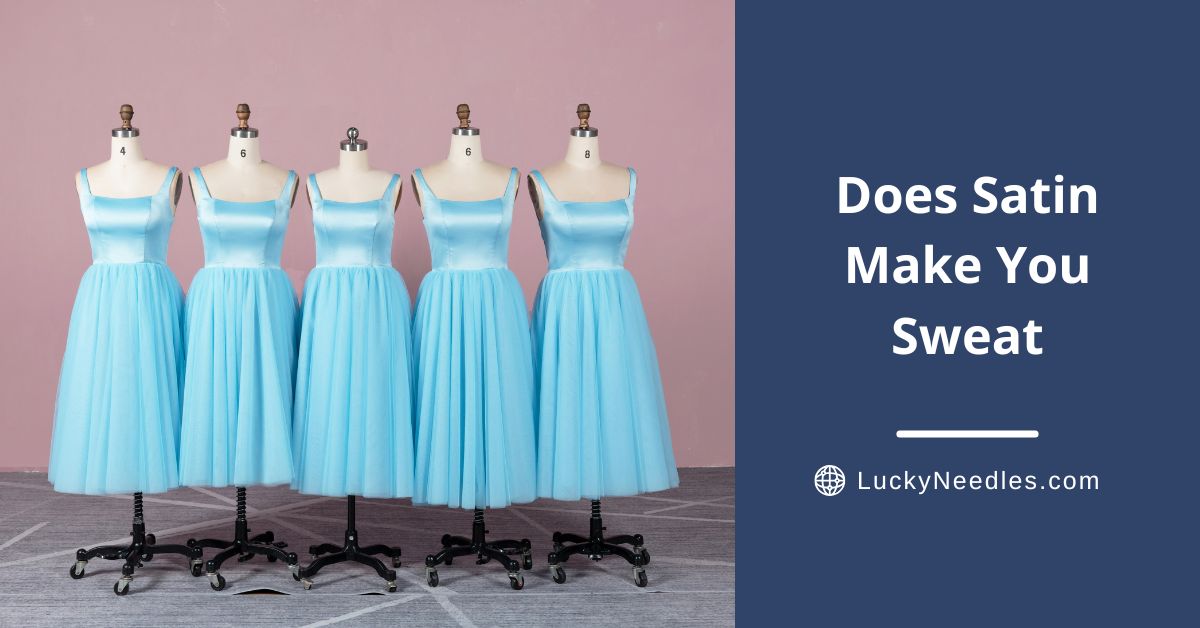
Satin does not inherently make you sweat more than other fabrics. In fact, some types of satin can be quite breathable and comfortable. However, the perception that satin causes sweating often stems from its smooth texture and the way it feels against the skin. The reality is that sweating in satin depends on various factors, including the type of satin, the climate, and individual body characteristics.
Key Takeaways:
- Satin’s breathability varies depending on its composition
- Natural fiber satins tend to be more breathable than synthetic ones
- Proper care can enhance satin’s comfort and moisture-wicking properties
- Climate and personal factors play a significant role in how satin affects sweating
Introduction to Satin and Sweating
What is Satin?
Satin is a weave, not a specific fabric. It’s characterized by its smooth, glossy surface and a dull back. Satin can be made from various fibers, including silk, cotton, polyester, or a blend. The weave creates a fabric that’s known for its luxurious feel and shimmering appearance. 🌟
Common Misconceptions About Satin and Sweating
Many people believe that satin always makes you sweat more. This isn’t necessarily true! The misconception often arises from experiences with lower-quality or synthetic satins, which may indeed trap heat and moisture. However, high-quality satin, especially those made from natural fibers, can be quite breathable.
Does Satin Actually Make You Sweat?
Satin’s Breathability Characteristics
The breathability of satin largely depends on its composition. Natural fiber satins, like silk satin, are generally more breathable than their synthetic counterparts. Silk satin, in particular, has excellent moisture-wicking properties, which can help keep you dry and comfortable.
Factors Affecting Sweat Production in Satin Garments
Several factors influence how much you might sweat in satin:
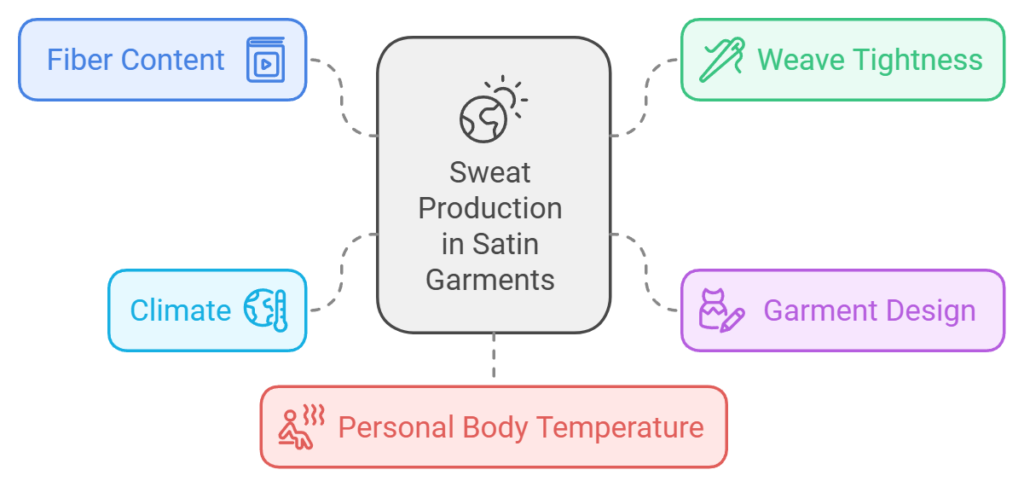
- Fiber content
- Weave tightness
- Garment design
- Climate
- Personal body temperature
For example, a loose-fitting silk satin nightgown might keep you cool, while a tight polyester satin dress might make you feel sweaty. It’s all about the specific garment and how it interacts with your body and environment.
Satin’s Moisture-Wicking Properties
Comparison to Other Fabrics
How does satin stack up against other fabrics when it comes to moisture-wicking? Let’s take a look:
| Fabric | Moisture-Wicking Ability | Breathability |
|---|---|---|
| Silk Satin | Excellent | High |
| Cotton Satin | Good | Moderate |
| Polyester Satin | Poor to Moderate | Low to Moderate |
| Cotton | Good | High |
| Linen | Excellent | Very High |
| Polyester | Moderate | Low |
As you can see, natural fiber satins generally perform better than synthetic ones in terms of moisture-wicking and breathability.
Impact on Skin Comfort
The smooth surface of satin can feel cool against the skin, which many people find comfortable. However, if moisture does build up, satin can stick to the skin, potentially causing discomfort. The key is choosing the right type of satin for your needs and the climate you’re in.
Temperature Regulation in Satin
Cooling Properties in Warm Weather
In warm weather, high-quality satin, especially silk satin, can help keep you cool. Its smooth surface doesn’t cling to the skin, allowing air to circulate. Additionally, natural fiber satins can wick moisture away from your body, helping to regulate your temperature.
Insulation in Colder Conditions
Interestingly, satin can also provide some insulation in cooler weather. The smooth surface can trap a thin layer of warm air next to your skin, helping to keep you cozy. This is why satin pajamas or sheets can be comfortable year-round.
Types of Satin and Their Effects on Sweating
Natural Fiber Satins (Silk, Cotton)
Natural fiber satins are generally the best choice for those concerned about sweating. Silk vs polyester is a common comparison, with silk often coming out on top for breathability and comfort. Cotton satin is also a good option, offering decent breathability and moisture-wicking properties.
Synthetic Fiber Satins (Polyester, Nylon, Rayon)
Synthetic satins are often less breathable and may cause more sweating. However, they’re typically more durable and easier to care for. Some modern synthetic satins are designed to be more breathable, so it’s worth checking the specific properties of the fabric.
Satin in Different Climates
Suitability for Hot and Humid Environments
In hot and humid climates, natural fiber satins can be a good choice. They’re lightweight and can help wick moisture away from your body. However, very tight-fitting satin garments might not be the best choice in these conditions.
Performance in Dry and Temperate Conditions
Satin performs well in dry and temperate conditions. Its smooth surface can help regulate temperature, keeping you comfortable in a range of temperatures. In these climates, you have more flexibility in the types of satin you can comfortably wear.
Care and Maintenance of Satin
Proper Washing Techniques
Proper care is crucial for maintaining satin’s comfort and appearance. Here are some tips:
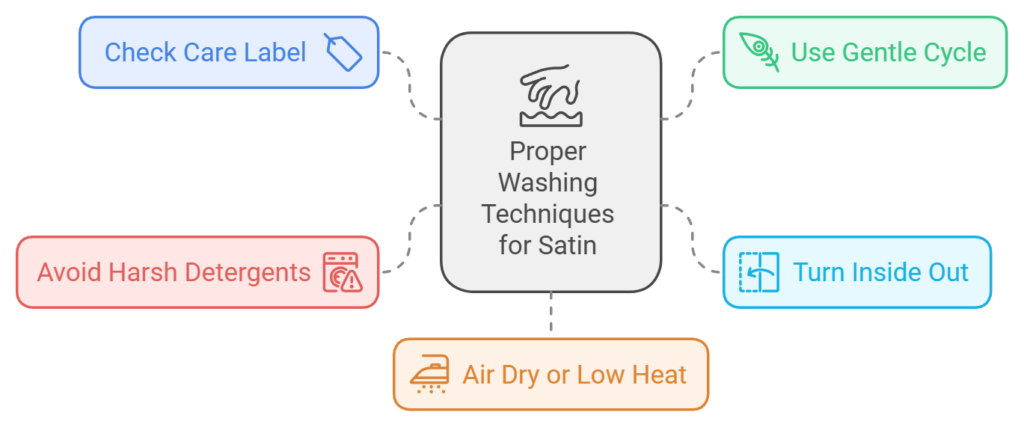
- Always check the care label
- Use a gentle, cold water wash cycle
- Turn satin garments inside out before washing
- Avoid harsh detergents
- Air dry or use a low heat setting in the dryer
Impact of Care on Breathability and Comfort
Good care practices can help maintain satin’s breathability and comfort. Harsh washing or drying can damage the fibers, reducing the fabric’s ability to wick moisture and regulate temperature. Can you steam a satin dress? Yes, steaming can be a gentle way to remove wrinkles and refresh satin garments.
Alternatives to Satin for Sweat-Prone Individuals
Moisture-Wicking Fabrics
If you find that satin isn’t working for you, there are plenty of alternatives. Modern moisture-wicking fabrics are designed specifically to keep you dry and comfortable. These are often used in athletic wear but are increasingly available in everyday clothing as well.
Breathable Natural Materials
Natural materials like cotton, linen, and bamboo are excellent choices for those prone to sweating. These fabrics are known for their breathability and comfort. Linen vs cotton shirts is a common comparison, with both offering excellent breathability but with different textures and care requirements.
Conclusion: Balancing Luxury and Comfort
In conclusion, satin doesn’t necessarily make you sweat more than other fabrics. The key is choosing the right type of satin for your needs and climate. Natural fiber satins, particularly silk, can be excellent choices for comfort and temperature regulation. However, if you’re particularly prone to sweating, you might prefer other breathable fabrics. Remember, comfort is personal – what works for one person might not work for another. 🌡️👕