
Thread Sketching With a Sewing Machine: A Beginner-Friendly Guide
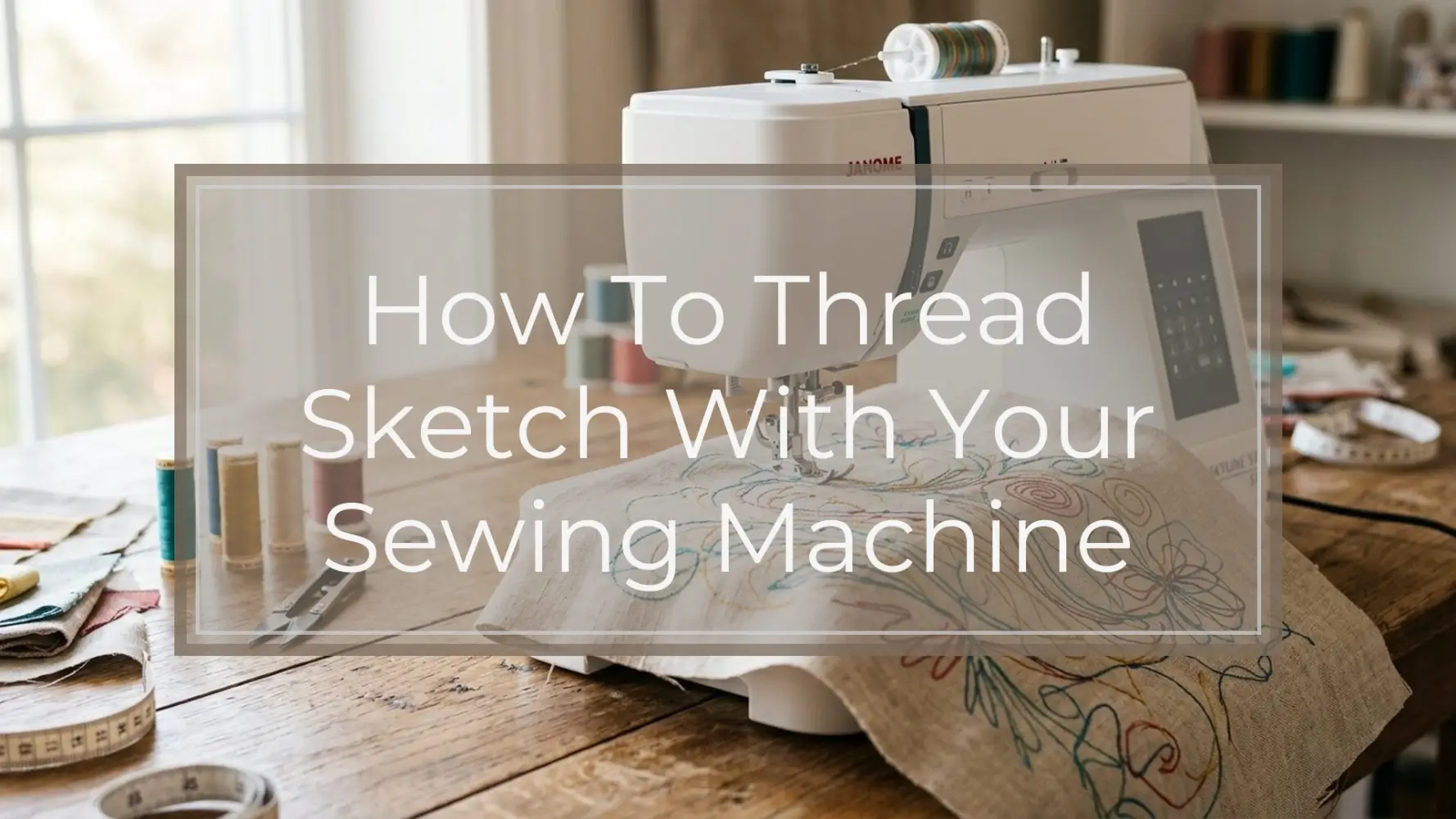
To thread sketch with your sewing machine, lower or cover the feed dogs, attach a darning or free-motion quilting foot, hoop or stabilize your fabric, and use the needle like a drawing tool. Move the fabric by hand while stitching slowly to create sketched lines, outlines, shading, and texture. Start with a simple design, use … Read more
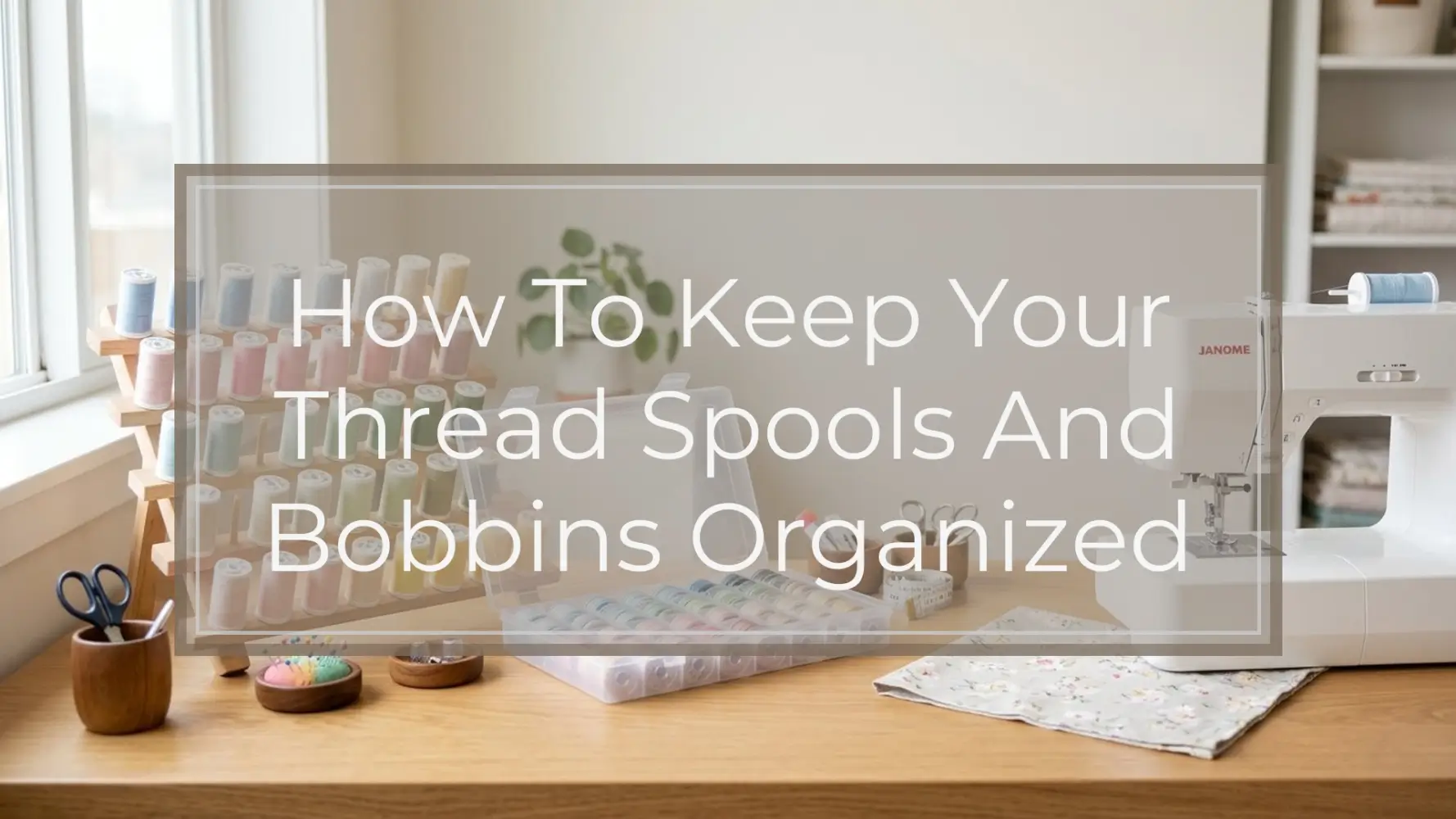
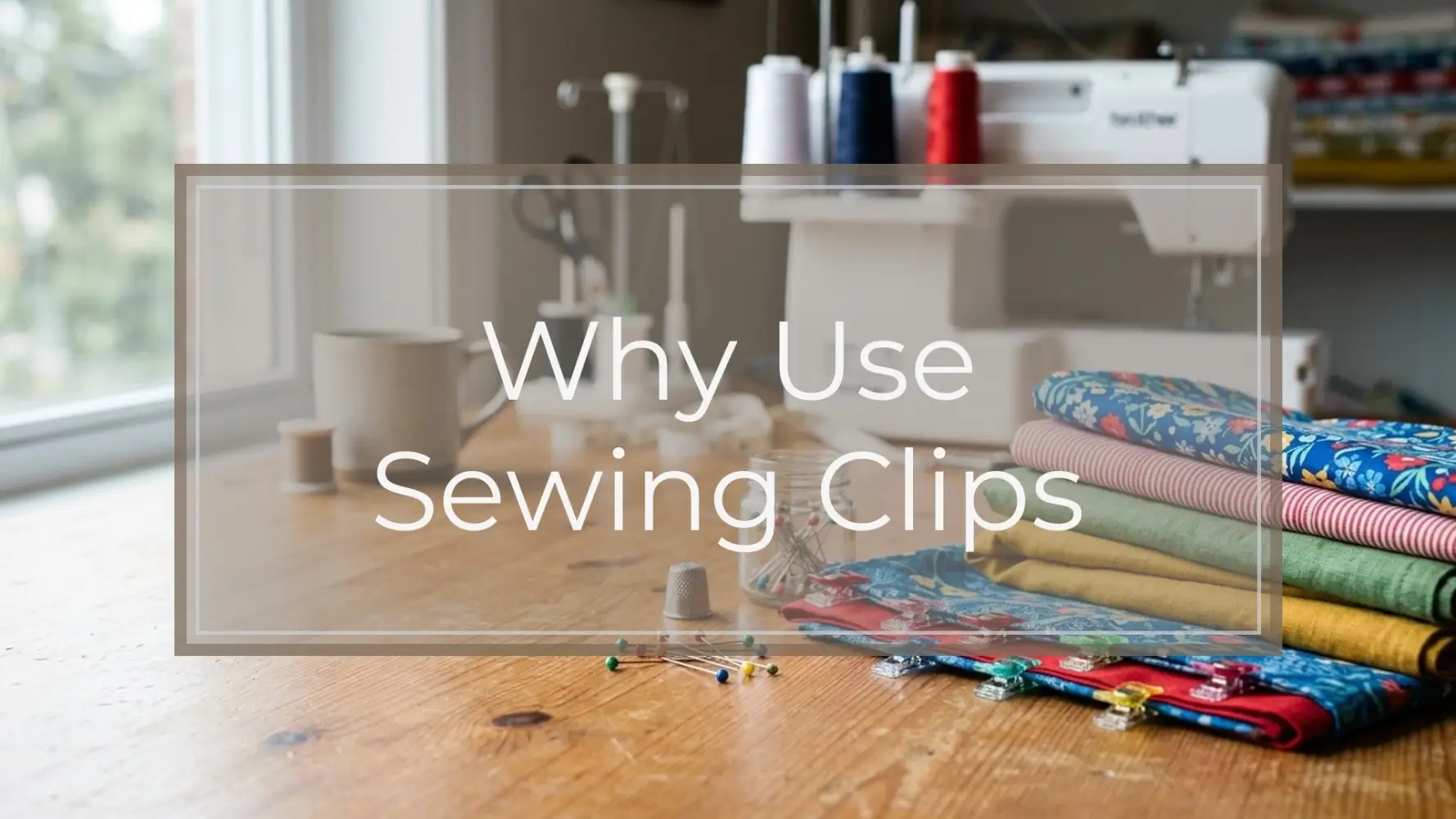
How to Organize Thread Spools and Bobbins So You Can Actually Find Them

Quick answer: Keep thread spools and bobbins organized by sorting them by color, fiber type, and use; pairing each bobbin with its matching spool when possible; storing everything in covered, labeled containers; and keeping daily-use thread separate from specialty or overflow thread. The best system is one you can see, reach, and maintain after every … Read more

Sewing Clips vs Pins: Why Use Clips and When They Work Best

Sewing clips are worth using when pins could damage, distort, or struggle to hold your fabric. They grip layers from the edge instead of piercing through them, which makes them especially helpful for thick seams, vinyl, leather, cork, laminated fabric, knits, binding, hems, bags, quilts, and serger work. Quick verdict: Use sewing clips when pins … Read more

Do Silk Sheets Make You Sweat? Unveiling the Silky Truth ๐Ÿง๐Ÿ’ฆ

No, silk sheets generally do not make you sweat. In fact, silk is known for its natural temperature-regulating properties, which can help keep you cool and comfortable throughout the night. Silk’s unique fiber structure allows for excellent breathability and moisture-wicking capabilities, making it an ideal choice for bedding. Key Takeaways: Introduction to Silk Sheets ๐Ÿ›๏ธ … Read more

Satin vs Polyester: Which Fabric Reigns Supreme? ๐Ÿ‘‘

Satin and polyester are two popular fabrics with distinct characteristics. While satin is known for its smooth, glossy surface and luxurious feel, polyester is prized for its durability and versatility. The main difference lies in their composition: satin is a weave that can be made from various fibers, while polyester is a synthetic material. Key … Read more

How Wide is Fabric on the Bolt? Unraveling the Mystery ๐Ÿงต๐Ÿ“

Fabric bolt widths typically range from 35 to 108 inches, with the most common widths being 45, 54, and 60 inches. These standard widths help manufacturers, retailers, and crafters streamline their processes and ensure consistency in fabric production and use. Key Takeaways: Standard widths: 45, 54, and 60 inches Quilting fabrics: Usually 40-45 inches wide … Read more

Can You Dry Dri-Fit Clothing? Discover the Best Methods! ๐Ÿƒโ€โ™‚๏ธ๐Ÿ‘•

Yes, you can dry Dri-Fit clothing, but it’s important to do so carefully. The best method is air-drying, which preserves the fabric’s moisture-wicking properties and prevents damage. If using a dryer, always use a low heat setting to avoid shrinkage and maintain the garment’s quality. Key Takeaways: Introduction to Dri-Fit Clothing Dri-Fit is a high-performance, … Read more