
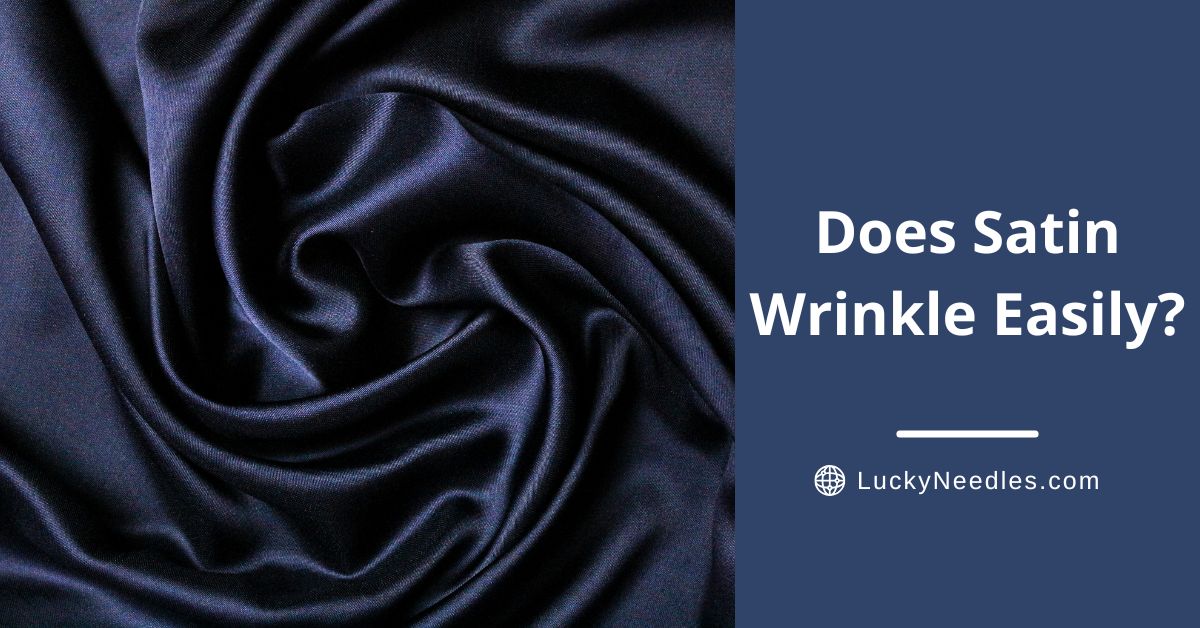
Satin does wrinkle relatively easily due to its smooth, glossy weave and moderate to low wrinkle resistance. While not as prone to wrinkling as cotton, satin is more likely to crease than polyester. However, with proper care and handling, you can minimize wrinkles and keep your satin items looking smooth and luxurious. 👚✨
Key Takeaways
- Satin has moderate to low wrinkle resistance
- Proper care and storage can help prevent wrinkles
- Steam and low-heat ironing are effective for removing wrinkles
- Satin requires more attention than some other fabrics, but its luxurious appearance makes it worth the effort
Introduction to Satin Fabric
Definition of satin
Satin is a smooth, glossy fabric known for its luxurious feel and appearance. It’s created using a specific weaving technique that results in a fabric with a shiny front and a dull back. This unique structure gives satin its characteristic luster and softness.
Characteristics of satin fabric
Satin boasts several distinctive features:
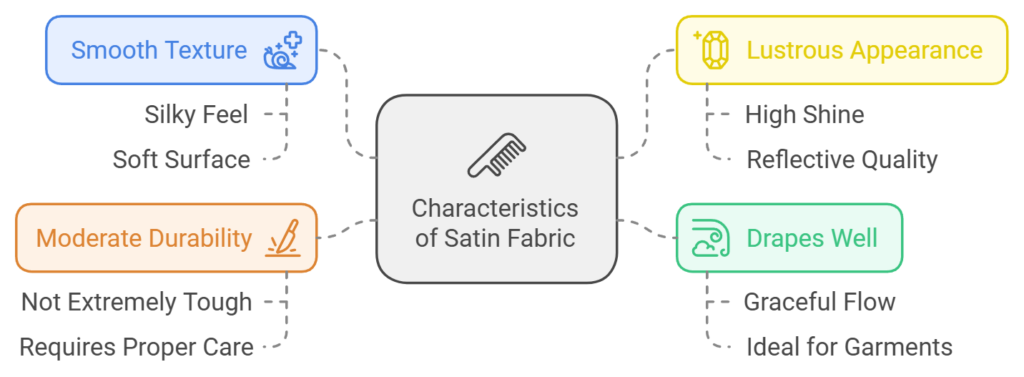
- Smooth texture: The fabric feels silky to the touch
- Lustrous appearance: Satin has a shiny, reflective surface
- Drapes well: It flows gracefully, making it ideal for certain garments
- Moderate durability: While not as tough as some fabrics, satin can last with proper care
Common uses for satin
Satin’s versatility makes it popular for various applications:
- 👗 Clothing: Dresses, blouses, and lingerie
- 🛏️ Bedding: Sheets, pillowcases, and comforters
- 👜 Accessories: Scarves, ribbons, and handbags
- 👠 Footwear: Dress shoes and slippers
Does Satin Wrinkle Easily? Understanding Satin’s Wrinkle Resistance
Satin’s moderate to low wrinkle resistance
Satin falls in the middle range when it comes to wrinkle resistance. It’s not as prone to wrinkling as cotton, but it’s more likely to crease than synthetic fabrics like polyester. This means that while satin can maintain a smooth appearance, it may require some extra care to keep it wrinkle-free.
Factors affecting satin’s tendency to wrinkle
Several factors influence how easily satin wrinkles:
- Fiber content: Satin made from natural fibers (like silk) tends to wrinkle more than synthetic satin
- Weave tightness: A tighter weave generally results in fewer wrinkles
- Fabric weight: Heavier satin fabrics are less likely to wrinkle than lighter ones
- Care and handling: Proper washing, drying, and storage can significantly reduce wrinkling
Comparison to other fabrics (polyester, cotton)
Let’s compare satin’s wrinkle resistance to other common fabrics:
| Fabric | Wrinkle Resistance |
|---|---|
| Satin | Moderate to low |
| Polyester | High |
| Cotton | Low |
As you can see, satin falls between polyester and cotton in terms of wrinkle resistance. While it may require more attention than polyester, it’s generally easier to keep smooth than cotton.
Causes of Wrinkles in Satin
Fabric structure and composition
Satin’s unique weave structure contributes to its tendency to wrinkle. The long floats (threads that skip over multiple threads before interlacing) that give satin its smooth surface can also make it more susceptible to creasing when bent or folded.
Environmental factors (humidity, temperature)
Environmental conditions play a significant role in satin wrinkling:
- High humidity: Can cause satin fibers to absorb moisture and become more prone to wrinkling
- Heat: Excessive heat can set wrinkles into the fabric
- Cold: Extreme cold can make satin fibers less flexible, leading to creasing
Improper storage and handling
How you store and handle your satin items can greatly affect their appearance:
- Folding satin for long periods can create deep creases
- Hanging heavy satin garments may cause stretching and wrinkles
- Stuffing satin items into crowded drawers or closets can lead to crushing and wrinkling
Preventing Wrinkles in Satin
Proper care and washing techniques
To keep your satin items wrinkle-free, follow these care tips:
- Use a gentle cycle when machine washing
- Wash in cool or lukewarm water
- Use a mild detergent designed for delicate fabrics
- Avoid overloading the washing machine
Drying methods to minimize wrinkles
Proper drying is crucial for preventing wrinkles in satin:
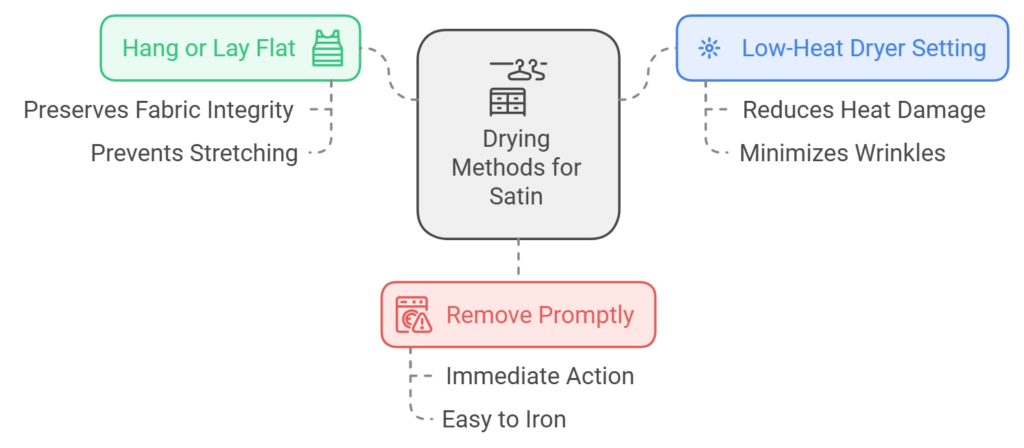
- Hang or lay flat to dry: This is the best method for most satin items
- Use a low-heat dryer setting: If you must use a dryer, choose the lowest heat setting
- Remove promptly: Take items out of the dryer immediately to prevent set-in wrinkles
Storage tips for satin items
Proper storage is key to keeping satin smooth:
- Hang satin garments on padded hangers
- Use garment bags for long-term storage
- Store satin bedding flat or rolled, not folded
- Avoid overcrowding in drawers or closets
Removing Wrinkles from Satin
Steam treatment techniques
Steaming is an excellent way to remove wrinkles from satin:
- Hang the satin item
- Use a handheld steamer or the steam setting on your iron
- Hold the steamer a few inches away from the fabric
- Move the steamer slowly over the wrinkled areas
For more detailed instructions on steaming satin, check out our guide on how to steam a satin dress.
Using a low-heat iron
If you need to iron satin, follow these steps:
If ironing is necessary, see how to iron satin safely for the right approach.
- Set the iron to the lowest heat setting
- Use a pressing cloth between the iron and the satin
- Iron on the wrong side of the fabric when possible
- Move the iron quickly to avoid heat damage
Alternative wrinkle removal methods
Try these alternative methods for removing wrinkles from satin:
- Shower steam: Hang the satin item in the bathroom while you shower
- Wrinkle-release spray: Use a commercial wrinkle-release product
- Damp towel method: Place a damp towel over the satin and gently press
Caring for Different Satin Items
Satin clothing care
To keep your satin clothing looking its best:
- Follow care label instructions
- Hand wash delicate items
- Use padded hangers for storage
- Avoid exposing satin to direct sunlight for long periods
Maintaining satin bedding
For satin sheets and pillowcases:
- Wash separately from other fabrics
- Use a gentle cycle and mild detergent
- Avoid fabric softeners, which can damage the fibers
- Iron on low heat if necessary
For more tips on caring for your bedding, read our article on how to get rid of static on blankets.
Preserving satin accessories
To care for satin accessories like scarves and ribbons:
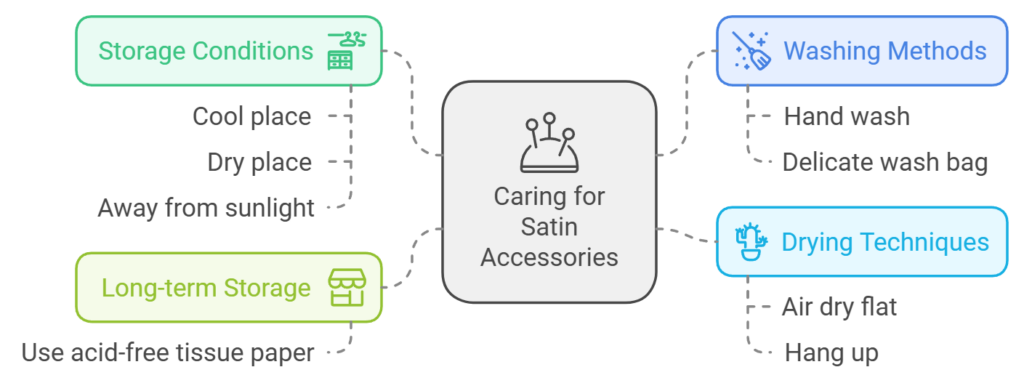
- Hand wash or use a delicate wash bag
- Air dry flat or hung up
- Store in a cool, dry place away from direct sunlight
- Use acid-free tissue paper for long-term storage
Pros and Cons of Satin’s Wrinkle Tendency
Advantages of satin despite wrinkle concerns
Despite its tendency to wrinkle, satin offers many benefits:
- Luxurious appearance and feel
- Comfortable to wear
- Versatile for various uses
- Adds elegance to any item
Disadvantages and limitations
Some drawbacks of satin’s wrinkle tendency include:
- Requires more care and attention than some other fabrics
- May not be suitable for travel or situations where ironing is inconvenient
- Can look unkempt if not properly maintained
Conclusion
Satin does wrinkle relatively easily due to its smooth, glossy weave and moderate to low wrinkle resistance. However, with proper care, handling, and storage techniques, you can minimize wrinkles and keep your satin items looking luxurious and elegant. Remember to use gentle washing methods, appropriate drying techniques, and careful storage to maintain the beauty of your satin fabrics. 🌟