Looking for 10 free dress patterns you can actually sort through and sew? This roundup focuses on practical dress styles that are commonly available as free PDF patterns or free drafting tutorials: shift dresses, A-line dresses, T-shirt dresses, wrap dresses, sundresses, maxis, pinafores, tunics, tank dresses, and elastic-waist midis.
Use this list as a decision guide before you download anything. Start with your fabric type, then choose a dress shape that matches your skill level and fit preferences. Woven patterns are great for crisp cottons and linens; knit patterns suit stretchy jersey and casual everyday dresses. Each option below includes style, best use, fabric, construction notes, and one simple fit tip.
How to Choose the Right Free Dress Pattern
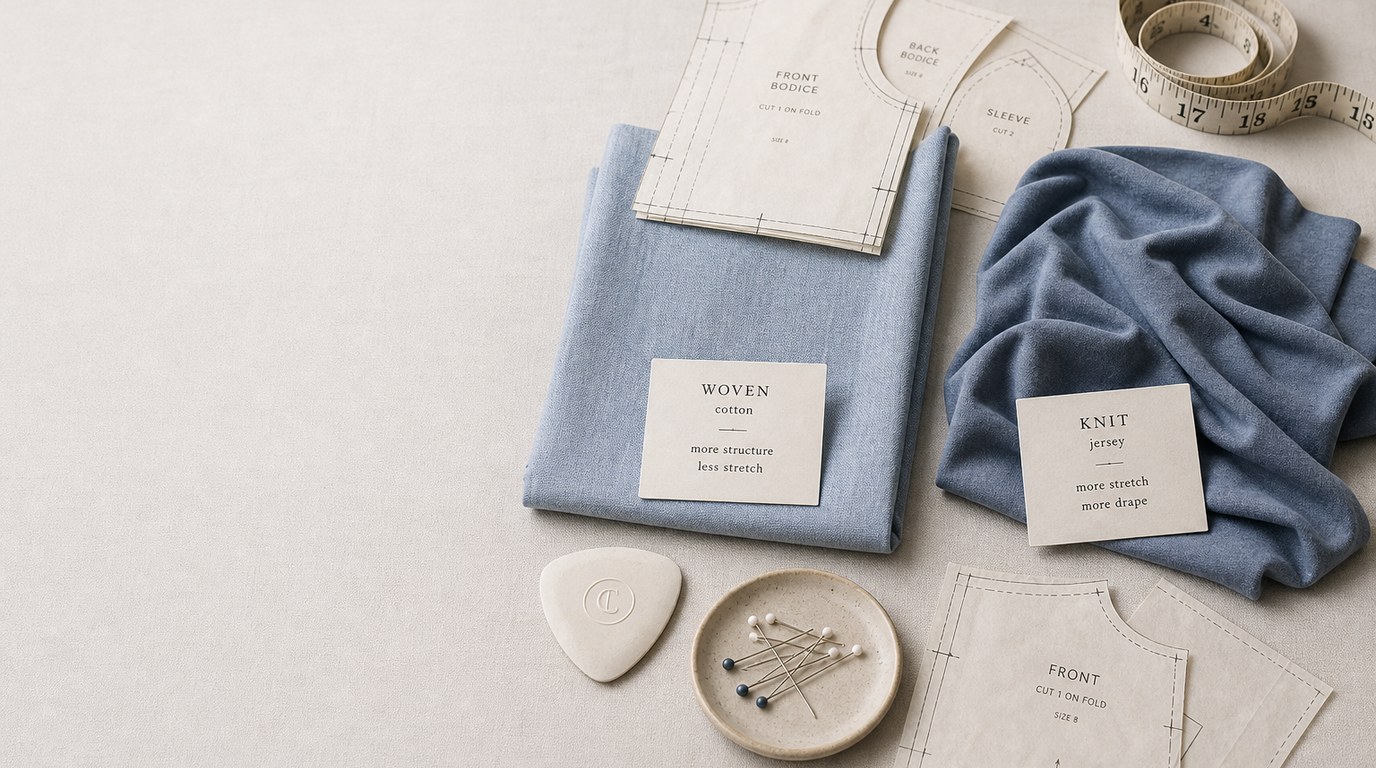
The easiest way to choose a free dress pattern is to match three things: fabric, fit, and construction.
First, check whether the pattern is for woven fabric or knit fabric. Woven dresses usually need shaping through darts, seams, gathers, elastic, or a loose silhouette. Knit dresses rely on stretch, so they often have fewer closures and can be faster to sew.
Next, decide how fitted you want the dress to be. A shift, tunic, or A-line dress is forgiving and beginner-friendly. A wrap dress or fitted knit tank dress needs more attention to bust, waist, and hip measurements.
Finally, look at the sewing steps. If you are new, choose a pattern with few pieces, no zipper, and simple hems. If you want a challenge, try facings, waist ties, tiers, button straps, or binding.
Quick Comparison of the 10 Free Dress Patterns
| Dress pattern | Best for | Suggested fabric | Skill level | Fit focus |
|---|---|---|---|---|
| Simple shift dress | Everyday woven dress | Cotton, linen, chambray | Beginner | Bust and hip ease |
| Beginner A-line dress | Forgiving shape | Cotton lawn, poplin, linen blend | Beginner | Shoulder and bust |
| Easy T-shirt dress | Casual knit dress | Jersey, interlock | Beginner | Stretch and length |
| Free wrap dress | Adjustable polished style | Rayon jersey, crepe, lawn | Confident beginner | Bust coverage |
| Summer sundress | Warm weather | Lawn, voile, linen, double gauze | Beginner | Strap length |
| Tiered maxi dress | Statement dress | Rayon challis, cotton voile | Confident beginner | Overall length |
| Pinafore dress | Layering | Corduroy, denim, canvas, twill | Beginner | Armhole and hip room |
| Sleeveless tunic dress | Quick simple sew | Linen, cotton, rayon | Beginner | Bust and hem length |
| Knit tank dress | Summer basic | Cotton jersey, rib knit | Beginner | Negative ease |
| Elastic-waist midi dress | Comfortable shaping | Rayon, linen blend, cotton lawn | Beginner | Waist placement |
1. Simple Shift Dress Pattern
A simple shift dress is one of the best free dress patterns for beginners because the shape is clean, loose, and easy to understand. It usually has a straight body, minimal shaping, and a neckline finished with a facing or bias binding.
Choose light to medium woven fabrics such as cotton, linen, chambray, or a stable rayon. Construction is usually limited to shoulder seams, side seams, neckline finishing, armholes, and hemming. Some versions include bust darts.
Fit tip: check the finished hip measurement, not just your bust size. A shift dress should skim the body without pulling when you sit.
2. Beginner A-line Dress Pattern
An A-line dress is fitted closer at the shoulders and bust, then widens toward the hem. This makes it forgiving through the waist and hips while still looking shaped. It is a useful first dress if you want something more flattering than a rectangle but not as fitted as a sheath.
Look for cotton lawn, poplin, linen blends, or lightweight denim. Construction may include darts, a back seam, facings, or patch pockets. Many beginner versions avoid zippers by using a looser neckline.
Fit tip: choose your size by upper bust or bust first, then make sure the hem sweep gives enough room through the hips.
3. Easy T-shirt Dress Pattern
A T-shirt dress is a casual knit dress based on a simple tee shape. It is comfortable, quick to sew, and easy to wear with sneakers, sandals, or leggings. If you already like sewing T-shirts, this is a natural next project.
Use cotton jersey, interlock, bamboo jersey, or another knit with the stretch percentage recommended by the pattern. Construction usually includes shoulder seams, sleeves or sleeve bands, side seams, a neckband, and a hem. A walking foot or stretch needle helps.
Fit tip: compare the pattern’s finished measurements with a T-shirt you like. Knit dresses can look too tight if the fabric has poor recovery.
4. Free Wrap Dress Pattern
A wrap dress is a classic choice when you want a free pattern that feels more polished. The wrap shape adjusts at the waist, making it more flexible than many fitted dresses. It can be casual in jersey or dressier in rayon, crepe, or a soft woven.
Construction depends on the pattern. Knit wrap dresses often use bands and ties; woven wrap dresses may need darts, facings, and careful hemming. The key sewing step is keeping the neckline stable so it does not stretch out or gape.
Fit tip: check the neckline coverage before cutting final fabric. If needed, raise the crossover point or add a small snap for security.
5. Summer Sundress Pattern
A summer sundress is ideal for lightweight fabric and warm-weather sewing. Free sundress patterns often include straps, a gathered skirt, a simple bodice, or an elastic back. They are satisfying projects because the pieces are usually simple and the finished dress gets plenty of wear.
Good fabrics include cotton lawn, voile, double gauze, linen, seersucker, and lightweight rayon. Construction may involve gathering, strap turning, topstitching, or elastic casing. Beginners should choose a version without a zipper first.
Fit tip: test strap length before sewing them permanently. Even a small strap adjustment can change neckline comfort and armhole coverage.
6. Tiered Maxi Dress Pattern
A tiered maxi dress looks dramatic but is often made from simple rectangles and a basic bodice. The tiers are gathered and joined in sections, so the sewing is repetitive rather than technically difficult. It is a good choice if you want a high-impact dress without complicated shaping.
Choose soft, drapey fabrics such as rayon challis, cotton voile, lightweight linen, or double gauze. Avoid fabric that is too stiff, or the tiers may stand away from the body. Expect lots of gathering and long seams.
Fit tip: measure from shoulder to desired hem before cutting. Maxi dresses are easy to shorten on paper and bulky to adjust after sewing.
7. Pinafore Dress Pattern
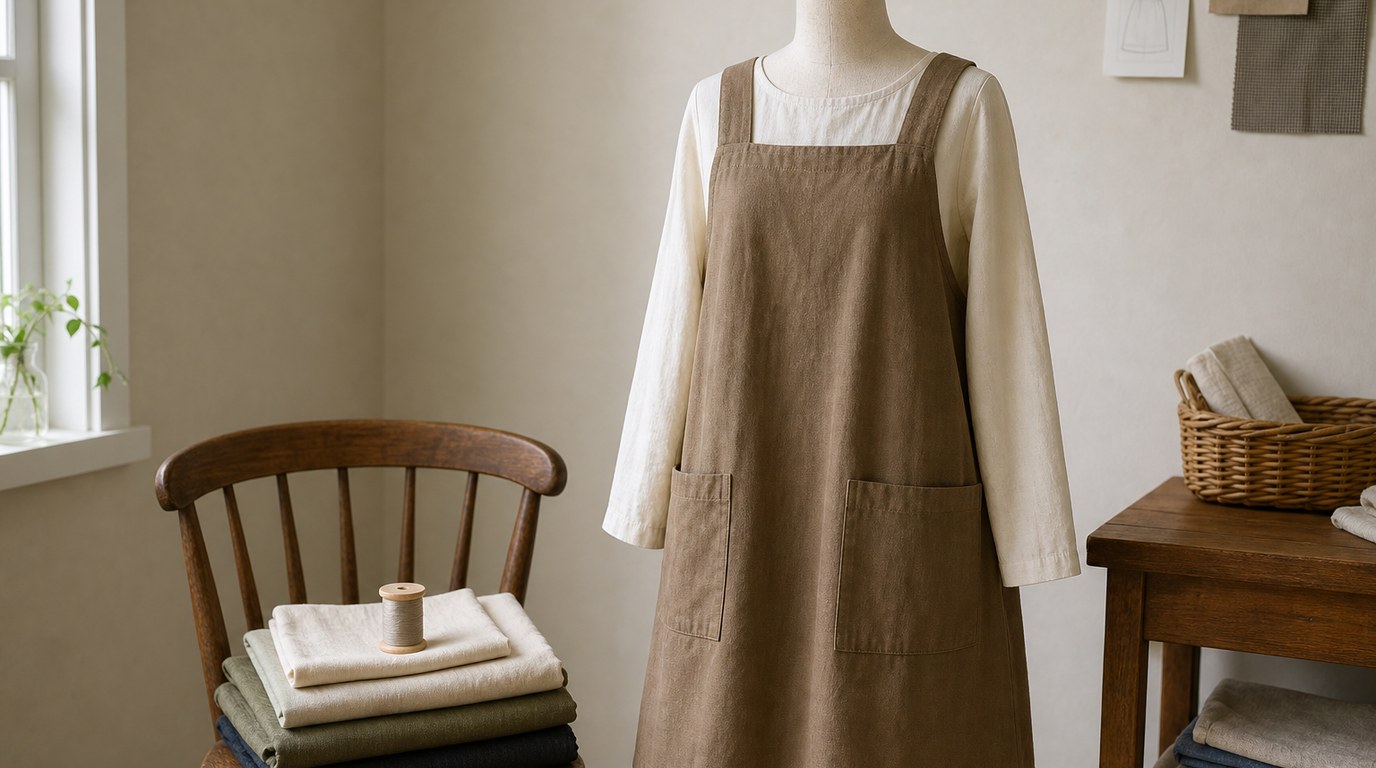
A pinafore dress is a sleeveless woven dress designed for layering over shirts, tees, or sweaters. It is practical, season-spanning, and often beginner-friendly because it does not require sleeve fitting. Styles range from simple apron shapes to more structured dresses with pockets and straps.
Use corduroy, denim, canvas, twill, linen, or medium-weight cotton. Construction may include topstitching, patch pockets, button straps, facings, or bias-finished edges. It is also a good project for practicing neat pressing.
Fit tip: leave enough armhole room for the layers you plan to wear underneath. Try it over a real top, not just over undergarments.
8. Sleeveless Tunic Dress Pattern
A sleeveless tunic dress is a simple short dress that can also work as a long top. It is especially useful if you want an easy pattern with minimal shaping and flexible styling. Wear it alone in summer or over leggings when the weather cools.
Cotton, linen, rayon, chambray, and lightweight denim all work well, depending on the pattern shape. Construction is usually straightforward: shoulder seams, side seams, neckline, armholes, and hem. Some versions include side slits or pockets.
Fit tip: decide whether you want dress length or tunic length before cutting. Add extra length if you are unsure; you can always shorten later.
9. Knit Tank Dress Pattern
A knit tank dress is a warm-weather basic that can be sewn quickly once you are comfortable with stretchy fabric. The shape is usually simple: sleeveless bodice, close or semi-fitted body, and a straight or slightly flared skirt.
Use cotton jersey, rib knit, modal jersey, or athletic knit if the pattern allows. The main construction details are binding or bands at the neckline and armholes. Accurate stretch handling matters more than complicated seams.
Fit tip: pay attention to negative ease. If the pattern is designed to stretch around the body, sizing up too much may cause gaping at the neckline and armholes.
10. Elastic-waist Midi Dress Pattern
An elastic-waist midi dress is comfortable, wearable, and flattering without needing precise waist fitting. The bodice may be loose or semi-fitted, while the elastic creates shape at the waist. This style is a strong choice for everyday dresses because it balances ease and polish.
Try rayon challis, cotton lawn, linen blends, chambray, or soft poplin. Construction usually includes a bodice, skirt, waist casing, elastic insertion, and hemming. Some versions include sleeves, pockets, or a button front.
Fit tip: mark the waistline on your body before sewing the casing. Elastic that sits too high or low can change the whole look of the dress.
What to Check Before Downloading or Printing a Free Dress Pattern
Before downloading a free dress pattern, check whether it includes your size, seam allowances, fabric requirements, and full instructions. Some free patterns are complete PDFs, while others are tutorials that require you to draft rectangles or modify a basic block.
Before printing, look for a test square, usually 1 inch or 4 inches. Print that page first at 100% scale, with no “fit to page” setting. If the square is wrong, the whole dress will be wrong.
Also check the page format. Some patterns are made for A4, some for US Letter, and some include both. Read the assembly map before taping pages, and confirm whether the pattern pieces overlap or need tracing.
Fabric and Notions to Prepare Before You Sew
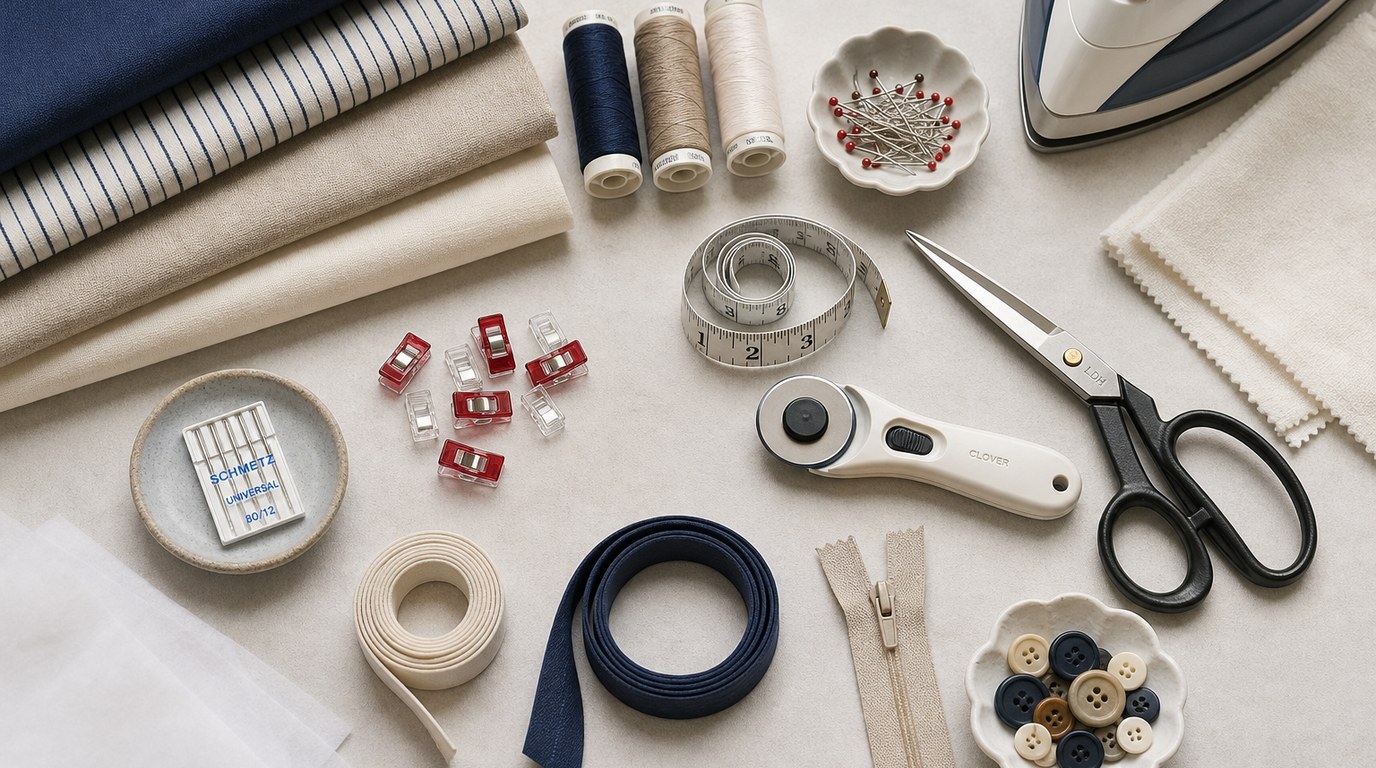
For most free dress patterns, prepare your fabric, matching thread, sewing machine needles, pins or clips, measuring tape, scissors or rotary cutter, and pressing tools. The exact notions depend on the dress style.
Woven dresses may need bias tape, interfacing, buttons, elastic, zippers, or hook-and-eye closures. Knit dresses usually need ballpoint or stretch needles and may benefit from a twin needle for hems. Wrap dresses need ties; pinafores may need buttons or hardware.
Always prewash your fabric the same way you plan to wash the finished dress. This helps prevent shrinking after all your careful cutting and sewing.
Beginner Tips for Getting a Better Fit
Start by taking current body measurements and comparing them with both the size chart and finished garment measurements. Finished measurements tell you how much wearing ease the dress has, which is especially important for woven patterns.
If you are between sizes, choose based on the hardest area to alter. For many dresses, shoulders and bust are harder to fix than a loose side seam or extra hem length. Make a quick muslin for fitted bodices, wrap necklines, and patterns with waist seams.
Press as you sew. Good pressing will not fix a poor fit, but it makes seams, darts, facings, bindings, and hems sit much better.
FAQ
What Should a Beginner Know First About 10 Free Dress Patterns?
Beginners should first check whether each pattern is designed for woven or knit fabric. That choice affects sizing, sewing technique, and comfort. Start with a simple shift, A-line, tunic, or T-shirt dress before trying more fitted styles like wrap dresses.
What Matters Most When Evaluating 10 Free Dress Patterns?
The most important factors are size range, fabric recommendation, finished measurements, instructions, and construction details. A free pattern is only useful if you can print it accurately, understand the steps, and choose fabric that behaves the way the design expects.
What Mistakes Should Readers Avoid with 10 Free Dress Patterns?
Avoid printing without checking the test square, choosing fabric only by color, and cutting your usual ready-to-wear size without measuring. Also avoid skipping the instructions before sewing; free patterns vary widely in detail, seam allowances, and finishing methods.
What Is the Next Logical Step After Learning About 10 Free Dress Patterns?
Pick one pattern that matches your fabric and skill level, then read the full instructions before cutting. Print the test square, confirm your size, prewash fabric, and prepare notions. If the dress is fitted, sew a quick test version first.