A walking foot helps feed the top layer of fabric through your sewing machine at the same time the machine’s regular feed dogs move the bottom layer. That extra grip matters when layers want to shift, stretch, or bunch. Use a walking foot when sewing quilts, knits, slippery fabrics, vinyl, matching stripes or plaids, or any project with thick or layered seams. You usually do not need it for basic woven cotton seams. The simplest way to think about it is this: when the fabric is not moving evenly under a standard presser foot, a walking foot is often the fix.
Quick Answer
A walking foot is worth using when your sewing machine needs help moving multiple layers evenly.
On a standard machine, the feed dogs under the fabric do most of the pulling. The presser foot mainly presses down from above. That works fine for many simple seams, but it can let the top layer lag behind, stretch out, or slide off track. A walking foot adds an upper feeding motion, so both layers travel together more evenly.
That is why a walking foot is useful for:
- quilting layers
- knit and stretchy fabric
- slippery materials like satin or rayon
- faux leather, vinyl, or laminated fabric
- matching plaids, stripes, or prints
- bulky seams, hems, and bindings
You do not need a walking foot for every project. For many everyday seams on stable woven fabric, a regular presser foot is faster and perfectly fine.
The main takeaway is simple: use a walking foot when fabric layers are fighting each other, and skip it when the fabric already feeds smoothly.
How to Think About This Topic
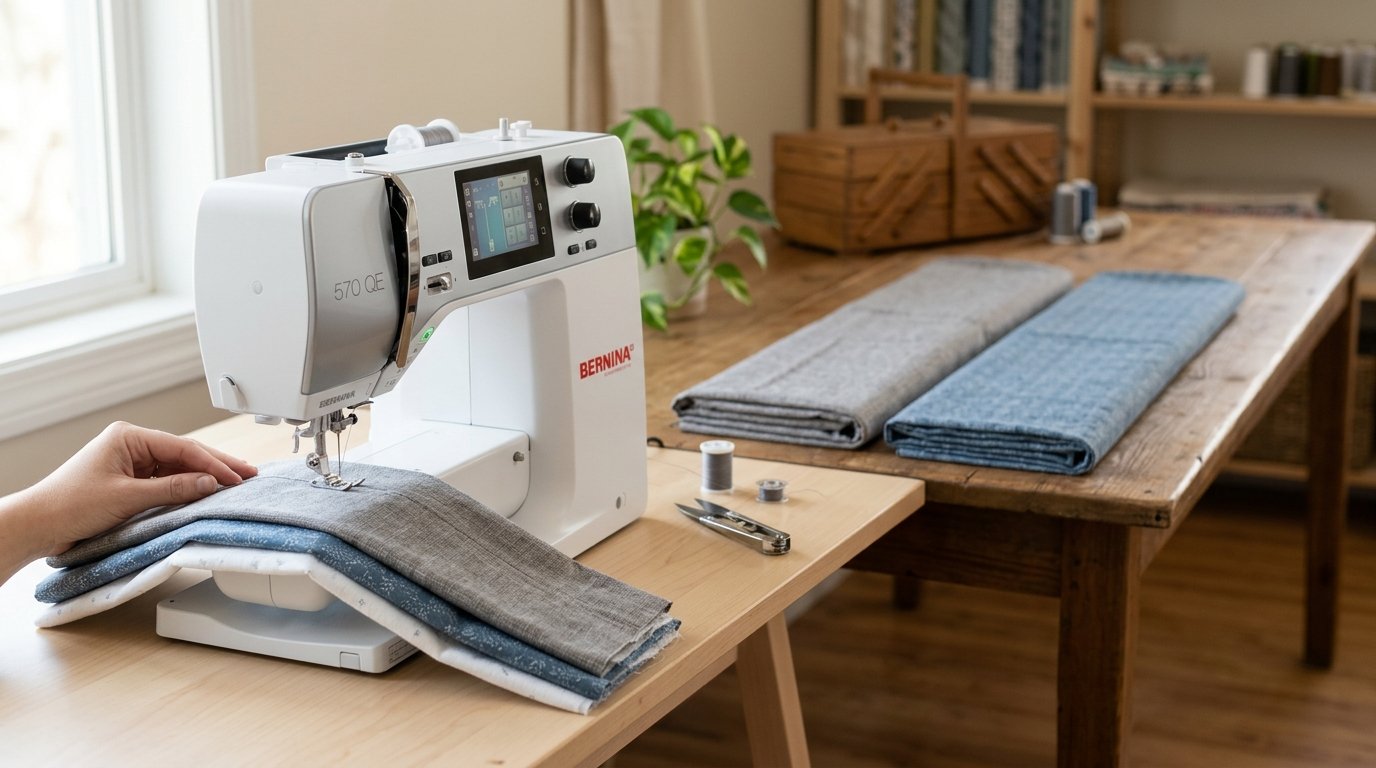
The best mental model is to imagine two people carrying a long table. If only one person moves, the table twists. If both move together, it stays straight. Fabric layers behave the same way under a sewing machine.
With a regular presser foot, the machine strongly controls the bottom layer through the feed dogs. The top layer depends on friction and pressure. If the fabric is slick, stretchy, thick, or stacked in layers, that top layer may not keep pace. The result can be ripples, seam puckers, uneven hems, or quilt layers that drift.
A walking foot changes that balance. It has a mechanism that “walks” across the fabric from above, helping the top layer advance in step with the bottom layer. It does not make the machine more powerful, but it makes feeding more even.
This directly answers why and when to use a walking foot on your sewing machine: you use it when feeding, not stitching, is the real problem.
What Problems It Solves
A walking foot is most helpful when you notice signs of uneven feeding, such as:
- one layer ending up longer than the other
- knit seams that wave or stretch
- quilt sandwiches shifting as you sew
- stripes or plaids no longer matching
- sticky materials dragging under the foot
- thick crossings that hesitate or skew
In other words, a walking foot is less about the type of project name and more about the behavior of the fabric.
What It Does Not Automatically Fix
A walking foot is helpful, but it is not magic. It will not fully correct:
- wrong needle choice
- poor thread tension
- incorrect stitch length
- a dull needle
- fabric being pushed or pulled by hand
- machine timing or mechanical issues
If your seam still looks bad, the feeding system may only be part of the issue. That matters for beginners, because it prevents the common mistake of buying a walking foot and expecting it to solve every sewing problem.
Practical Guidance
A practical rule is this: reach for a walking foot when you need control over layers, alignment, or stretch.
Use It for These Situations
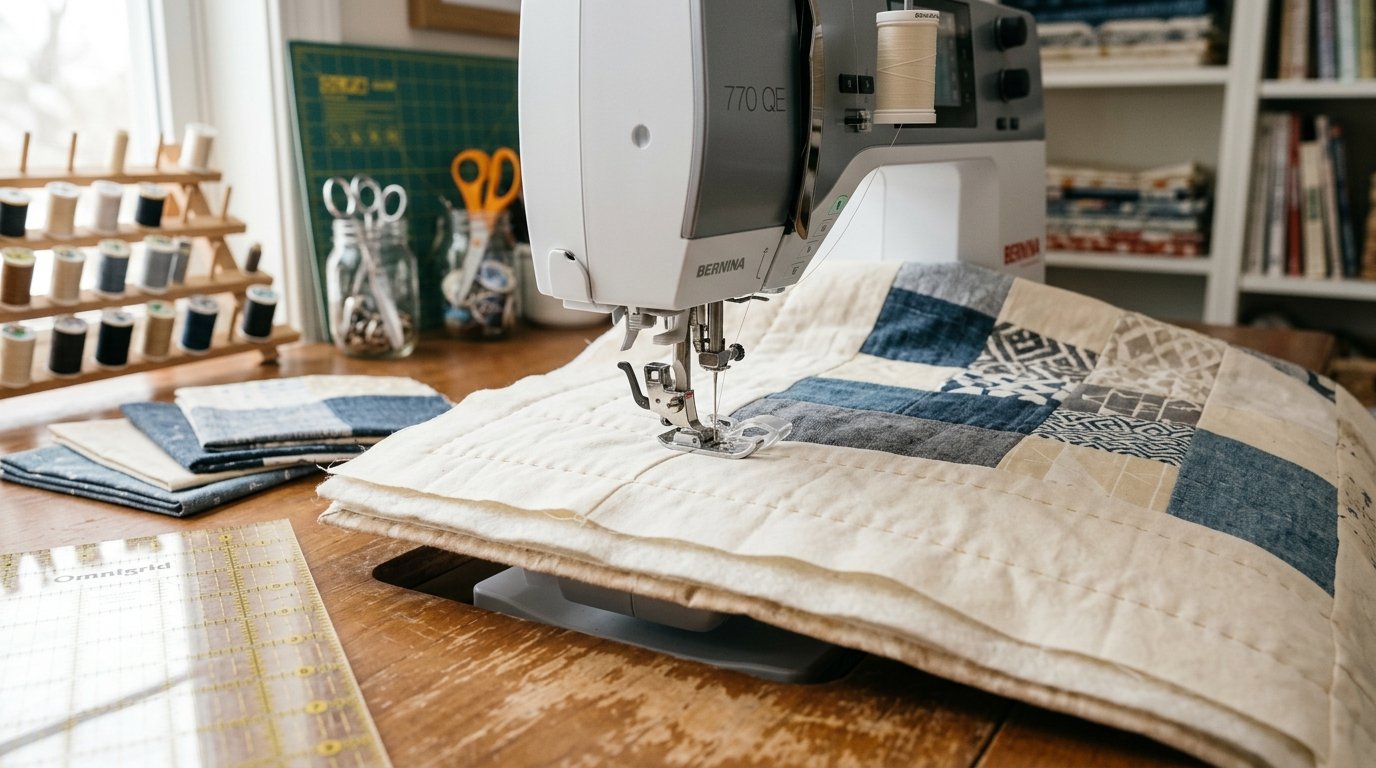
Quilting: A walking foot is one of the most common quilting accessories. It helps keep the quilt top, batting, and backing from creeping apart. It is also useful for straight-line quilting and attaching binding.
Knits and jersey: Stretch fabrics often get wavy under a regular foot because the top layer stretches while the bottom layer feeds forward. A walking foot can reduce that distortion, especially on hems, shoulder seams, and neckbands.
Slippery fabric: Satin, rayon challis, lining, and similar materials can slide against each other. A walking foot helps them stay aligned.
Matching prints: If you are sewing stripes, plaids, or large repeated prints, even feeding helps keep pattern lines from drifting off.
Bulky or layered sewing: Thick hems, fleece, denim layers, bag straps, and seam intersections often move more smoothly with a walking foot.
Sticky surfaces: Vinyl, faux leather, laminated cotton, and some coated fabrics can drag under a normal foot. A walking foot can help them pass more evenly.
When You Can Skip It
You usually do not need a walking foot for:
- basic seams on stable woven cotton
- light garment construction with fabrics that feed cleanly
- projects where visibility and speed matter more than layered control
- techniques that require a different specialty foot, such as zipper insertion
Using a walking foot when it is not needed is not harmful, but it can feel bulky and reduce visibility around the needle.
How to Set Yourself up for Success
Before sewing, install the walking foot according to your machine manual. Make sure the foot’s fork or arm sits correctly on the needle clamp, because that is what drives the walking motion. Then test on scrap fabric from your project.
A few setup tips help a lot:
- use the correct needle for the fabric
- increase stitch length slightly for thick layers
- pin or clip well, especially with matching prints
- sew at a steady, moderate speed
- let the machine feed the fabric without pulling
If It Is Not Helping
If your walking foot is not improving the seam, check the basics first. The foot may be installed incorrectly, the presser foot pressure may be unsuitable, or the needle may be wrong for the fabric. On knits, a ballpoint or stretch needle often matters as much as the foot itself. On quilts, basting thoroughly still matters. On slippery fabrics, clips and careful alignment still do part of the job.
The goal is not to use a walking foot all the time. The goal is to recognize when uneven feeding is the reason your sewing is going off track.
FAQ
Is a Walking Foot the Same as an Even Feed Foot?
Usually, yes. “Walking foot” and “even feed foot” are often used for the same accessory on home sewing machines. Both describe a foot that helps move the top layer of fabric along with the bottom layer for more even feeding.
Can a Walking Foot Help with Stretchy Knit Fabric?
Yes. It can reduce stretching, waviness, and shifting when sewing knits. It works especially well on hems and long seams. You will usually get the best result when you also use a stretch or ballpoint needle and the right stitch setting.
Do I Need a Walking Foot for Every Sewing Project?
No. Many regular sewing tasks on stable woven fabric work well with a standard presser foot. A walking foot is most useful when layers shift, stretch, slip, or bunch. Think of it as a problem-solving tool, not your default foot.
Can I Use a Walking Foot for Quilting and Topstitching?
Yes. It is commonly used for straight-line quilting, quilting through multiple layers, and neat topstitching on bulky areas. It helps keep layers even and can improve consistency, especially when sewing long visible lines on quilts, bags, and outerwear.
Why Is My Walking Foot Not Improving the Seam?
Common reasons include incorrect installation, the wrong needle, poor tension, insufficient basting, or pulling the fabric while sewing. A walking foot improves feeding, but it does not replace proper setup. Test on scraps first and adjust one variable at a time.