
If you need a practical sewing win before school starts, focus on projects that solve small daily problems: organizing supplies, carrying gear, protecting notebooks, or making lunch packing easier. The best last minute sewing projects that are perfect for the back to school season are simple to cut, fast to stitch, and useful right away. Good beginner picks include a lined pencil pouch, drawstring bag, reusable snack bags, and mini pouch. If you have less time, accessories like scrunchies, headbands, and key fob wristlets are even faster. Choose by asking three questions first: how much time you actually have, what skill level you can handle without redoing steps, and whether the project will live in a backpack, lunchbox, or study space.
| Project | Time | Skill level | Best for |
|---|---|---|---|
| — | —: | — | — |
| Lined pencil pouch | 30–60 min | Beginner | Daily school supplies |
| Drawstring bag | 45–75 min | Beginner | Shoes, books, gym gear |
| Reusable snack bags/lunch wrap | 30–60 min | Beginner | Lunch packing |
| Fabric book cover | 20–45 min | Beginner | Planners and notebooks |
| Scrunchies/headbands/bows | 15–40 min | Beginner | Quick accessories |
| Lanyard/key fob wristlet | 20–40 min | Beginner | IDs and keys |
| Mini pouch/wet bag | 30–60 min | Beginner to easy intermediate | Small essentials |
| Lap desk pillow/homework cushion | 45–90 min | Beginner | Reading and homework |
How to Pick the Right Last-minute Back-to-school Sewing Project
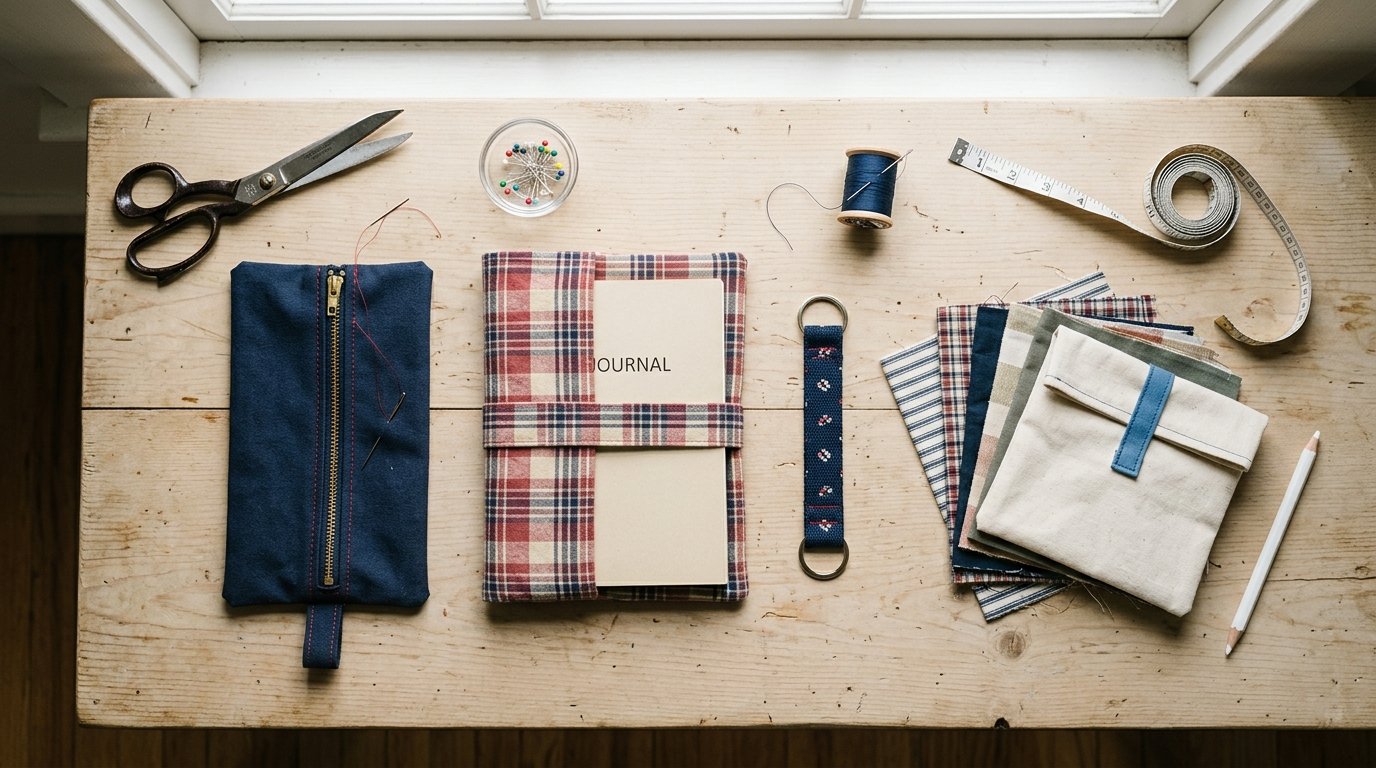
A simple way to choose is to match the project to your deadline, fabric, and real-life use. If you only have an hour, pick something with straight seams and small pattern pieces, such as a pencil pouch, book cover, or key fob. If you have leftover cotton scraps, lean toward snack bags, scrunchies, or bows. If the student needs better organization, choose pouches, wet bags, or a drawstring bag. For older students or teachers, practical everyday carry items often get used more than decorative makes. Also be honest about closures: zippers and drawstrings are still beginner-friendly, but hook-and-loop tape or envelope-style folds are faster if you want less fuss.
1. Sew a Lined Pencil Pouch for Pens, Markers, and Small Supplies
A lined pencil pouch is one of the safest back-to-school sewing choices because nearly every student can use one, and it feels more polished than it is difficult. It works for pens, sticky notes, calculators, earbuds, or art tools, so it also makes a nice quick gift. If you are comfortable sewing straight seams and adding a zipper, this is an excellent beginner project. If not, you can swap the zipper for hook-and-loop tape or a snap flap. Quilting cotton, canvas, or denim scraps all work well. To personalize it, use contrast lining, add a name label, or stitch different sizes so one pouch holds writing tools and another holds chargers.
2. Make a Drawstring Bag for Library Books, Shoes, or Activity Gear
A drawstring bag is slightly larger than a pouch but still quick, especially if you skip pockets and keep the shape simple. It is useful for gym shoes, library books, art clothes, sports extras, or after-school activity gear that would otherwise float around in a backpack or car. This project is beginner-friendly because most of the sewing is straight, and the casing teaches a helpful finishing technique without much complexity. Lightweight canvas, home decor cotton, or sturdy quilting cotton are good choices. Make it more school-ready by using washable fabric, color-coding for different kids or activities, or adding a boxed bottom for a little more storage.
3. Try Reusable Snack Bags or a Simple Lunch Wrap
If you want a practical project that uses small cuts of fabric, reusable snack bags and lunch wraps are excellent. They sew quickly, work well in batches, and can help cut down on disposable bag use during the school week. A snack bag can hold crackers, pretzels, fruit, or napkins, while a lunch wrap can double as a placemat on the desk or cafeteria table. For beginners, envelope-style closures or hook-and-loop tape are usually easier than fiddly fasteners. Choose food-safe, washable materials according to the pattern you use, especially for linings. These are also easy to customize with fun prints, contrasting topstitching, or sets made for different days.
4. Sew a Fabric Book Cover for Planners, Notebooks, or Reading Logs
A fabric book cover is a smart project when the goal is to protect and personalize school paper goods without sewing anything bulky. It is especially useful for planners, reading logs, assignment notebooks, and paperback school books that get tossed into backpacks every day. Most versions are simple rectangles with folded inner flaps, so the sewing is straightforward and fast. Quilting cotton is usually enough, though interfacing adds structure if you want a cleaner fit. This project feels custom with very little effort: add a pocket for loose papers, a ribbon bookmark, or a pen loop. It is also easy to size by measuring the exact notebook first.
5. Use Fabric Scraps for Scrunchies, Headbands, or Bow Accessories
When time and fabric are both limited, small accessories are the easiest win. Scrunchies, simple headbands, and bows use narrow strips or scraps, sew up quickly, and are good confidence-builders for brand-new sewists. They also let you coordinate with lunch bags, pouches, or drawstring bags if you want a matching set without much extra work. Scrunchies are especially forgiving because the elastic hides a lot of minor stitching flaws. Headbands can be as simple as a straight band with elastic at the back. Bows work well clipped onto headbands, backpacks, or lunch totes. These are ideal if you want something cute, fast, and low-risk the night before school starts.
6. Make a Lanyard or Key Fob Wristlet for Ids and Keys
A lanyard or key fob wristlet is a small project with outsized daily usefulness, especially for middle school, high school, college students, teachers, and staff. It helps keep keys, ID cards, or swipe badges easy to grab, and it can be sewn in well under an hour. Most versions require only a strip of fabric, interfacing, and a hardware piece such as a swivel hook or key ring. Because the construction is repetitive and straight, it suits confident beginners. Webbing versions are even faster than fully fabric ones. To make it feel more custom, pick durable prints, topstitch neatly, or add a quick detachable clasp if the lanyard will be used throughout the day.
7. Sew a Mini Pouch or Wet Bag for Small Backpack Essentials
A mini pouch or wet bag is one of the most practical organization projects in the whole roundup. It gives small items a home, which makes backpacks less chaotic and helps students find what they need faster. A mini zipper pouch can hold tissues, lip balm, pencils, earbuds, or charging cords. A small wet bag is useful for hygiene items, reusable cloths, or anything that should stay separate from books and papers. This project is slightly more functional when made with a wipeable or water-resistant lining, but basic cotton versions still work well for dry items. Add a loop tab, label, or bright zipper so it is easy to spot and grab.
8. Make a Lap Desk Pillow or Homework Cushion for Study Time at Home
Not every back-to-school sewing project has to live in a backpack. A lap desk pillow or homework cushion supports reading, tablet use, and homework time at home, especially for kids who like to work on the couch or floor. This project is still beginner-friendly because it relies on basic seams and simple stuffing or filling, though it takes a little more time than a pouch. You can keep it basic with a soft square cushion or make a wedge-style shape for better support. Durable cotton, canvas, or washable upholstery-weight fabric works well. A handle, removable cover, or pocket for pencils and sticky notes makes it more useful without making it much harder.
Easy Ways to Make Any Back-to-school Sewing Project Look More Custom
Small upgrades can make a simple project look intentional rather than rushed. The easiest options are contrast linings, coordinated zipper colors, and topstitching in a thread that stands out. You can also add name labels, initials, iron-on patches, or a small outer pocket. If you are sewing for more than one child, use a color system so each person can identify their own gear fast. Even choosing fabric around a hobby, favorite color, or school spirit theme gives a basic project more personality without adding much sewing time.
What to Prioritize When You Truly Only Have One Evening to Sew
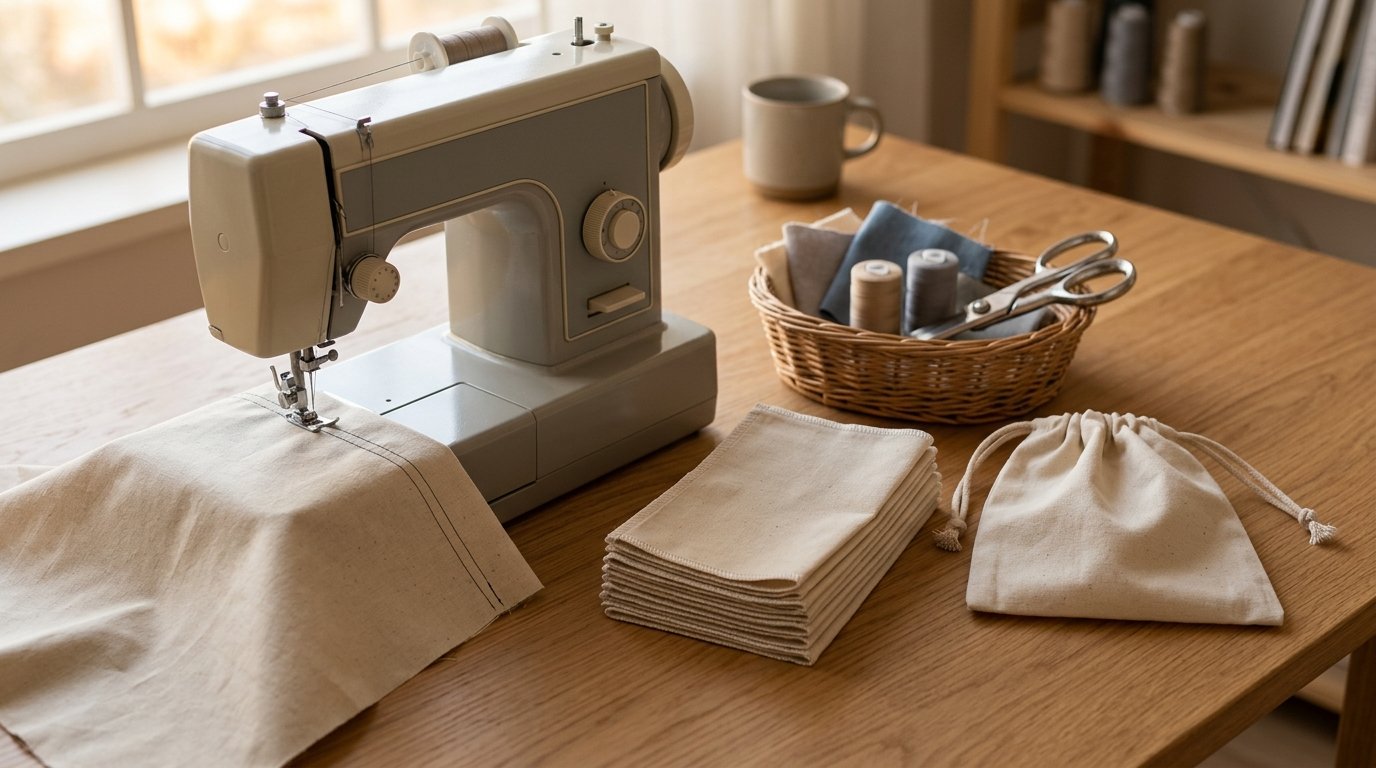
When time is tight, choose usefulness over ambition. Pick one project with mostly straight seams, use fabric you already own, and avoid new techniques unless they are essential. Prewash only if the fabric truly needs it, batch-cut pieces if making multiples, and simplify closures when possible. A pouch, snack bag, scrunchie set, or key fob wristlet is usually a better one-evening choice than anything heavily structured. Finishing one practical item cleanly is more valuable than starting three and rushing all of them.
FAQ
What Should a Beginner Know First About Last Minute Sewing Projects That Are Perfect for the Back to School Season?
Start with projects that have simple shapes and clear use, not the ones that look most impressive online. Straight seams, small pieces, and easy closures usually lead to better results. A pencil pouch, book cover, or scrunchie is often a better first success than a more complex bag.
What Matters Most When Evaluating Last Minute Sewing Projects That Are Perfect for the Back to School Season?
The biggest factors are time, usefulness, and materials already on hand. A fast project only helps if it solves a real school need and can be finished with your current skill level. Projects that organize supplies or simplify routines usually deliver the best value.
What Mistakes Should Readers Avoid with Last Minute Sewing Projects That Are Perfect for the Back to School Season?
Avoid choosing a project just because the fabric is cute. Also avoid adding too many extras, like pockets, piping, or tricky hardware, when the deadline is close. Last-minute sewing goes better when the shape is simple, the fabric is stable, and the finish is functional.
What Is the Next Logical Step After Learning About Last Minute Sewing Projects That Are Perfect for the Back to School Season?
Pick one project based on where it will be used: backpack, lunch, or homework space. Then gather fabric, closure supplies, and thread before you start cutting. If you are short on time, make a single test item first, then repeat the same project in batches.